The Complete Guide to Hosting the Perfect Brunch Buffet: Ideas, Setup, and Recipes That Actually Work
There is something almost magical about the words “brunch buffet” that makes people immediately start planning their weekend. Maybe it is the promise of sleeping in late and still getting breakfast foods. Maybe it is the freedom to pile your plate high with both pancakes and prime rib without anyone judging you. Or maybe it is simply that brunch represents a rare moment in our busy lives where we actually slow down, share a meal with people we care about, and refuse to look at our phones for a full two hours.
I have been obsessed with brunch buffets for years. I have hosted them in my tiny apartment kitchen that barely fits two people, and I have researched them at luxury hotels where the champagne flows like water. I have made every mistake in the book—from running out of coffee cups to serving a quiche that was somehow both burnt and raw in the middle. But through all those experiences, I have learned what actually makes a brunch buffet memorable versus what just creates a messy kitchen and stressed-out host.
This guide will walk you through everything you need to know about brunch buffets, whether you are planning to host one at home or looking for the best local spot for your next celebration. We will cover the essential dishes that belong on every buffet table, smart strategies for preparation, and the unwritten rules that separate amateur brunchers from true buffet champions.
What Exactly Is a Brunch Buffet, and Why Do We Love It So Much?
The concept of brunch has been around since the late 1800s, but the buffet format really took off in America during the 1980s, when hotels began marketing Sunday brunch to fill their restaurants during slow hours. The genius of the brunch buffet lies in its flexibility. Unlike a traditional sit-down meal where you order one entrée and hope you chose wisely, a buffet lets you sample everything. You can have a waffle and an omelet, and a slice of roast beef if that is what your heart desires.
From a psychological standpoint, brunch buffets tap into our love of abundance and variety. There is a reason why all-you-can-eat concepts remain popular despite our culture’s increasing focus on health and moderation. The buffet format lets us indulge, go back for seconds (or thirds), and try foods we might never order off a regular menu. It turns dining into an experience rather than just a meal.
The timing also works perfectly for modern schedules. Most brunch buffets run from late morning through early afternoon, typically 10 AM to 2 PM or 11 AM to 3 PM. This window accommodates both the early risers who have been up since six and the night owls who barely rolled out of bed at eleven. It bridges the gap between breakfast and lunch, so nobody has to choose between eggs Benedict and a proper sandwich.
The Essential Components of a Great Brunch Buffet
After attending and hosting dozens of brunch buffets, I have noticed that the best ones share a common DNA. It is not about having the most expensive ingredients or the fanciest presentation. It is about hitting the right notes across several categories so every guest finds something they genuinely want to eat.
The Egg Station: Eggs are non-negotiable at brunch, but the format matters. A made-to-order omelet bar with a chef behind the counter adds theater and customization. If that is not feasible, high-quality scrambled eggs kept warm in chafing dishes work fine, provided they are actually fluffy and not that scary, rubbery texture that hotel eggs often have. Quiches and frittatas are brilliant buffet additions because they hold well at room temperature and can be cut into neat slices.
The Bread and Pastry Section: This is where you set the tone. A basket of sad, presliced grocery-store bagels will make your whole buffet feel cheap. Instead, aim for variety and quality. Croissants, Danish pastries, muffins, and at least one type of bread for toasting. If you are hosting at home, hit up a local bakery the morning of. The difference between fresh and day-old pastries is night and day.
The Protein Center: Bacon and sausage are classics for a reason, but do not stop there. A good brunch buffet needs a substantial protein option that feels lunch-appropriate. This could be a carving station with ham or roast beef, a smoked salmon platter with all the bagel fixings, or even a chicken-and-waffle setup. Vegetarian proteins like breakfast casseroles with beans or tofu scrambles should be available too.
The Sweet Selection: Pancakes, French toast, and waffles fall into this category. The challenge here is keeping them warm without getting soggy. If you are at a restaurant, they usually have warming lamps or griddles. At home, consider a baked French toast casserole instead of individual slices, or set up a DIY waffle station where guests make their own.
The Fresh and Light Options: Not everyone wants a heavy meal at 11 AM. A solid fruit display, yogurt parfait bar, or granola station permits people to be healthy—or to use these items as palate cleansers between rounds of heavier food.
The Beverage Bar: Coffee, tea, juices, and the star of the show: brunch cocktails. Mimosas (champagne and orange juice) and Bloody Marys (vodka with tomato juice and spices) are the classics. A good buffet either includes these in the price or offers them at a reasonable upcharge.
Hosting a Brunch Buffet at Home: Lessons from the Trenches
Let me be honest with you: hosting a brunch buffet is work. It is not the kind of cooking where you finish everything and then join your guests. It requires planning, timing, and the ability to stay calm when your oven timer goes off while someone asks where you bought your curtains.
The first rule of home brunch buffet success is to choose make-ahead dishes whenever possible. I learned this the hard way after trying to flip pancakes for eight people while simultaneously scrambling eggs and making coffee. Nobody had fun, least of all me. Now I structure my menu so that 80% of the food is ready before the first guest arrives.
Quiches are your best friend here. You can make them the night before, refrigerate them, and serve them at room temperature or gently reheated. Breakfast casseroles with eggs, cheese, and vegetables can be assembled the evening prior and popped in the oven an hour before guests arrive. Even many pastry items can be baked ahead and refreshed in a low oven.
Cold dishes are equally strategic. A smoked salmon platter sounds fancy but requires zero cooking—just arrange salmon slices with capers, red onion, cream cheese, and lemon wedges on a pretty tray. Fruit salads can be prepped hours ahead, though wait to dress them until the last minute so they stay fresh-looking.
The setup matters as much as the food. I always arrange my buffet table in a logical flow: plates at the beginning, followed by cold items, then hot dishes, and finally utensils and napkins at the end. This prevents traffic jams and keeps people moving. If you have the space, separate the beverage station so guests can refill drinks without crossing through the food line.
Temperature control is where home hosts often struggle. Invest in a few chafing dishes or electric warming trays if you plan to host buffets regularly. They are not expensive and make a huge difference in food safety and quality. For cold items, nested bowls with ice underneath keep things properly chilled.
Menu Ideas That Always Work
After years of experimentation, here are my go-to combinations for different types of brunch buffets:
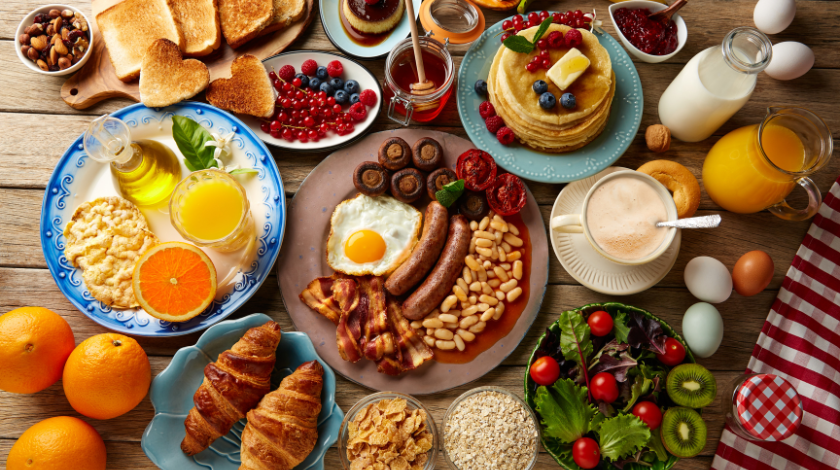
The Classic American Brunch: Scrambled eggs, bacon, sausage links, hash brown casserole, pancakes with warm maple syrup, fresh fruit, assorted pastries, coffee, and orange juice. This is comfort food that pleases everyone, from kids to grandparents.
The Mediterranean-Inspired Spread: Frittata with spinach and feta, Greek yogurt bar with honey and nuts, hummus and pita, cucumber and tomato salad, hard-boiled eggs, olives, fresh bread, and strong coffee. Lighter but still satisfying.
The Southern Comfort Brunch: Biscuits and sausage gravy, shrimp and grits, fried chicken, waffles, mac and cheese (yes, for brunch), collard greens, and sweet tea. Heavy but unforgettable.
The Healthy-ish Modern Brunch: Avocado toast station with various toppings, egg-white frittatas, turkey sausage, steel-cut oatmeal bar, green juice, whole-grain muffins, and herbal teas. Appeals to the wellness crowd without being boring.
The Celebration Brunch: All the classics plus a champagne toast, smoked salmon, carved ham, chocolate fountain or dessert display, and maybe a signature cocktail like a bellini or espresso martini. Perfect for bridal showers, birthdays, or holiday gatherings.
Restaurant Brunch Buffets vs. Home Hosting: Making the Choice
Sometimes the best brunch buffet is the one you do not cook yourself. Restaurant buffets offer variety and convenience that home hosts simply cannot match. A good hotel brunch might feature 50 or 60 items, live cooking stations, and unlimited champagne. You get to enjoy the meal without having to do the dishes afterward.
However, restaurant brunch buffets have downsides. They are expensive, typically running $40 to $75 per person at nice hotels. The quality can be inconsistent—some places focus on quantity over freshness. And you are on their schedule, which might mean rushing to arrive before the buffet closes at 2 PM.
I choose restaurant buffets for special occasions when I want luxury and zero responsibility. I host at home when I want intimacy, the ability to control the menu for dietary restrictions, and the freedom to linger for three hours without anyone clearing our table. Both have their place in a well-rounded brunch life.
If you go the restaurant route, do your research. Read recent reviews specifically mentioning the buffet. Call ahead to ask about live stations, included beverages, and whether reservations are necessary. Some places look impressive online but serve tired, lukewarm food in reality.
Brunch Buffet Etiquette: The Unwritten Rules
Whether you are at a hotel buffet or someone’s dining room, there is etiquette involved. Nothing ruins a brunch faster than that one person who takes all the bacon or hovers over the waffle maker as if they own it.
Start with the basics: survey the entire buffet before you begin filling your plate. This helps you pace yourself and avoid the rookie mistake of loading up on bread only to discover the carving station at the end. Take small portions of several items rather than giant scoops of a single item. You can always go back.
Be mindful of the line. Do not hold up traffic while you decide between scrambled eggs or an omelet. Step aside if you need time to think. At made-to-order stations, know what you want before you reach the front. The person behind you also wants their custom omelet before the buffet ends.
Hygiene matters more than people admit. Use the provided serving utensils, not your personal fork. If you touch something, take it—do not put it back. And please, wash your hands before you start touching shared serving spoons.
Tipping at restaurant buffets confuses many people. Even though you are serving yourself, the staff are still clearing plates, refilling beverages, and managing the flow. A 15-20% tip on the pre-tax total is standard unless the restaurant automatically adds a gratuity, which many buffets do for parties of 6 or more.
Health-Conscious Brunching Without Missing Out
Brunch buffets have a reputation for being calorie bombs, and honestly, that reputation is earned. It is entirely possible to consume a day’s worth of calories in one sitting when faced with unlimited bacon and pastries. But with some strategy, you can enjoy the experience without derailing your health goals.
My approach is to build a balanced plate the first time through. I start with vegetables and protein—maybe a vegetable frittata and some smoked salmon—then add one carbohydrate like a single pancake or half a bagel. This fills me up with nutrient-dense food before I even think about the pastry table. If I am still hungry after that plate, I go back for a small treat.
Beverage calories add up fast at brunch. Those bottomless mimosas might seem harmless, but champagne plus orange juice is sugar on top of sugar. I alternate between alcoholic drinks and water or black coffee. This keeps me hydrated, slows my consumption, and lets me actually taste the food.
Many modern brunch buffets now include explicit healthy options. Look for egg white stations, fresh-pressed juices, salad bars, and grilled fish. Do not be afraid to ask staff about ingredients if you have allergies or dietary restrictions. A good buffet will accommodate you.
Seasonal and Themed Brunch Ideas
One way to make your brunch buffet stand out is to give it a theme or seasonal focus. This actually makes planning easier because it narrows your options.
Spring Brunch: Think Easter or Mother’s Day. Feature asparagus dishes, fresh berries, lemon-flavored desserts, and pastel decorations. A ham carving station feels traditional and appropriate.
Summer Brunch: Light and fresh is the mantra. Cold soups like gazpacho, grilled vegetables, shrimp cocktails, and plenty of fresh fruit. If you have outdoor space, move the buffet outside and make it feel like a garden party.
Fall Brunch: Pumpkin everything, apple cider donuts, sweet potato casseroles, and warming spices. This is the season for comfort food, so lean into the hearty dishes.
Winter/Holiday Brunch: Rich and decadent wins. Eggnog French toast, prime rib, oysters, and plenty of hot beverages. This is when you pull out all the stops.
International Themes: A Mexican brunch could feature chilaquiles, breakfast tacos, and horchata. An Italian spread might include frittatas, prosciutto and melon, and espresso. These themes give your buffet personality and give guests something to talk about.
Budget-Friendly Brunch Buffet Strategies
You do not need to spend a fortune to throw an impressive brunch buffet. Some of my most memorable brunches have been the most affordable, simply because I focused on execution rather than expensive ingredients.
The first budget rule is to make rather than buy whenever possible. A dozen eggs cost around three dollars and can become a massive frittata that feeds eight people. Pre-made quiches from grocery stores cost three times as much and taste half as good. Bakery muffins are $3 each; homemade muffins cost pennies each.
Second, choose one or two “wow” items and fill the rest with simple, well-executed basics. Maybe you splurge on good smoked salmon but serve it with store-bought bagels and cream cheese. Or you make an elaborate French toast casserole but use standard bacon and sausage on the side. This creates the impression of luxury without the price tag.
Potatoes are your budget stretcher. A big pan of roasted breakfast potatoes or a hash brown casserole costs almost nothing and fills people up. Eggs are similarly cheap and versatile. Build your menu around these affordable foundations.
For beverages, skip the champagne and make a big batch of punch or sangria instead. It feels festive, costs a fraction of the price, and you control the strength. Good coffee is non-negotiable, though—bad coffee will ruin the whole experience, no matter how good the food is.
Finally, do not be afraid to ask guests to contribute. A potluck-style brunch where you provide the main dishes and guests bring pastries, fruit, or beverages is totally acceptable and actually makes the gathering feel more communal.
Conclusion
The brunch buffet is more than just a meal format—it is a social institution that brings people together over shared abundance. Whether you are hosting at home or indulging at a restaurant, the principles remain the same: variety, quality, and a relaxed atmosphere where the focus is on company rather than rigid schedules.
I have found that the best brunch buffets are not necessarily the ones with the most expensive ingredients or the fanciest presentation. They are the ones where the host clearly thought about their guests’ experience, where the food is served at the right temperature, and where people feel comfortable lingering over that second cup of coffee.
Start simple if you are new to hosting. A few well-made dishes beat a sprawling buffet of mediocre food. Pay attention to what your guests actually eat versus what you thought they would eat. Over time, you will develop your own signature brunch style that friends and family start requesting.
The beauty of brunch is that it forgives imperfection. Slightly overcooked eggs or a lopsided quiche will be forgotten if the conversation flows and the mimosas keep coming. So do not stress too much about getting everything perfect. Focus on being present with your guests, and the rest will follow.
Frequently Asked Questions
What time do most brunch buffets start and end? Most brunch buffets run from 10:00 AM or 11:00 AM until 2:00 PM or 3:00 PM on weekends. Some hotel buffets may start as early as 9:00 AM, especially on Sundays. Always check specific restaurant hours as they vary by location and season.
How much should I expect to pay for a quality brunch buffet? Hotel and resort brunch buffets typically range from $40 to $75 per person, often including champagne or mimosas. Casual restaurant buffets might cost $20 to $35. Home-hosted brunches can cost $10 to $15 per person, depending on your menu choices.
What are the most popular dishes at a brunch buffet? Eggs (scrambled, omelets, or quiches), bacon and sausage, pancakes or French toast, fresh fruit, pastries, and breakfast potatoes are universal favorites. Carving stations with ham or roast beef and made-to-order omelet bars are premium additions that guests love.
How do I keep food warm at a home brunch buffet? Use chafing dishes, electric warming trays, or slow cookers set to warm for hot items. For baked goods, a low oven (around 200°F) works well. Cold items should be nested in bowls with ice underneath. Serve hot foods in smaller batches and replenish frequently rather than letting large pans sit out.
Can I accommodate dietary restrictions at a brunch buffet? Absolutely. Label dishes clearly with common restrictions such as vegetarian, gluten-free, and dairy-free. Offer at least one substantial protein option that is not meat, one gluten-free grain or bread alternative, and fresh fruit and vegetables that naturally fit most diets.
What drinks should I serve at a brunch buffet? Coffee and tea are essential. Orange juice and other fresh juices are standard. For alcoholic options, mimosas and Bloody Marys are classic brunch cocktails. Always provide non-alcoholic alternatives that feel special, like sparkling cider or fancy lemonade.