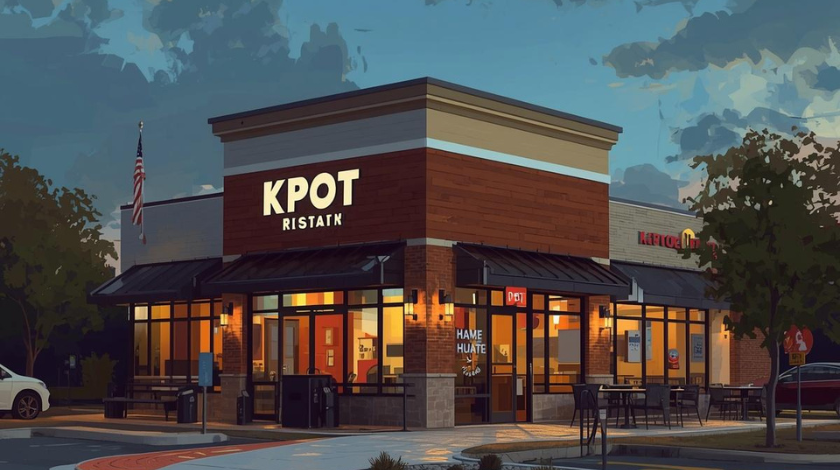
There is something genuinely exciting happening on Louise Avenue in Sioux Falls. If you have not heard about it yet, you are missing out on what might be the most engaging dining experience to hit South Dakota in years. I still remember the first time I walked into KPOT Korean BBQ and Hot Pot. The purple neon lights reflecting off dark walls, the sizzling of meat from dozens of tables, and the unmistakable aroma of savory broths and grilled beef created an atmosphere unlike anything else in the city. This was not just dinner. This was an event.
KPOT opened its doors at 2814 S Louise Avenue, tucked between Sally Beauty Supply and PetSmart in a retail center that previously housed more conventional dining options. When the restaurant finally opened after months of anticipation, about twenty groups were already waiting outside when the doors opened at noon. That kind of buzz does not happen by accident in Sioux Falls. It happens when people recognize that something special has arrived, something that fills a gap they might not have even realized existed in the local food scene.
What Makes KPOT Different from Every Other Restaurant in Sioux Falls
Let me be straightforward with you. I have eaten at plenty of restaurants in Sioux Falls over the years. I have had great steaks, solid burgers, and some surprisingly good ethnic food for a city this size. But KPOT represents something entirely different. It brings together two distinct Asian dining traditions—Korean barbecue and Chinese hot pot—into a single, all-you-can-eat experience where you become the chef.
The concept is disarmingly simple once you understand it, though I will admit my first visit involved a learning curve that felt overwhelming at times. You sit at a table equipped with built-in heating elements and grills. You order your meal on a tablet. You select your ingredients. And then you cook everything yourself, right there at your table, while chatting with friends and family. It sounds straightforward, but the execution involves so many moving parts that the restaurant needs extensive training to get it right.
According to co-owner Anna Zheng, about 60 of the 150 people hired for training did not make the cut. That statistic tells you something about the complexity of delivering this experience consistently. When you visit KPOT, you are not just getting food. You are participating in a carefully choreographed interactive dining event that requires coordination between technology, kitchen staff, and your own willingness to engage with the process.
Understanding the All-You-Can-Eat Model
Let us talk about pricing because that is what everyone wants to know first. KPOT operates on an all-you-can-eat basis, which means you pay a flat rate and can order as much as you want during your visit. For lunch, prices start at twenty-one dollars per person. Dinner jumps to thirty-one dollars per person. If you want to experience both Korean barbecue and hot pot during the same meal—and honestly, why would you not want to try both?—You add five dollars to either price.
I know what you are thinking. Thirty-six dollars for dinner sounds like a lot for Sioux Falls. I thought the same thing initially. But here is the thing you need to understand about value at KPOT. You are not just paying for food. You are paying for an experience that lasts 2 to 3 hours, features premium ingredients like marinated short ribs and fresh seafood, and includes unlimited access to a sauce bar with over 100 dipping combinations. When you break it down by the hour and factor in the quality of ingredients, the value proposition becomes much clearer.
The all-you-can-eat model also changes how you mentally approach the meal. Instead of worrying about whether you should order the more expensive cut of beef or stick with chicken, you can try everything. You can experiment. You can discover that you actually love beef brisket even though you have always been a pork person. That freedom to explore without financial penalty is genuinely liberating and leads to a more adventurous dining experience than you might normally allow yourself.
The Korean BBQ Experience: Becoming Your Own Grill Master
If you choose the Korean barbecue option, your table features a circular gas-fired grill built right into the center. Your server will fire it up and set it to the right temperature, though you control the intensity throughout your meal using a panel on the side of the table. They provide tongs and scissors—the scissors are essential for cutting longer strips of meat into manageable pieces for sharing.
The meat selection includes all the classics you would expect at a legitimate Korean barbecue restaurant. You have bulgogi, which is thinly sliced ribeye marinated in a sweet and savory soy-based sauce. You have galbi, the famous marinated short ribs that caramelize beautifully on the grill. You have pork belly, which renders into crispy, fatty perfection when cooked right. And you have beef brisket, which I have grown to love for its simplicity and versatility with different sauces.
Here is where I need to share some hard-earned wisdom from multiple visits. Do not treat the grill like a backyard barbecue where you pile everything on at once. Korean barbecue works best when you cook in small batches, paying attention to each piece as it hits the grill. The marinated meats will char more quickly because of the sugars in the marinade, so keep an eye on them. Flip frequently. And do not be afraid to ask your server for help if you are unsure about timing. They have seen every mistake a beginner can make and are usually happy to guide you.
The accompaniments matter as much as the meat itself. Your table receives banchan, which are small side dishes that typically include kimchi, bean sprouts, pickled vegetables, and other Korean staples. You also get lettuce leaves for making wraps, sliced garlic, green onions, and rice. The traditional way to eat Korean barbecue involves placing a piece of grilled meat in a lettuce leaf, adding a dab of ssamjang (a spicy fermented soybean paste), maybe some rice and garlic, and then eating the whole wrap in one bite. It is messy. It is interactive. And it is absolutely delicious.
The Hot Pot Experience: Soup as Social Connection
Hot pot operates on a completely different principle from Korean barbecue, though it shares the same interactive, communal spirit. Instead of grilling, you are simmering. Each diner gets their own metal bowl filled with broth that sits on a heating element built into the table. You can choose from eight soup bases, ranging from mild and savory to spicy and bold. I typically go for a spicy Sichuan-style broth, but my wife prefers the mushroom base for its earthy depth.
Once your broth arrives and heats up to a rolling boil, you start adding ingredients. The tablet menu offers more than 60 options, including thinly sliced meats, seafood such as shrimp and squid, various tofu products, noodles, and vegetables. The key to hot pot success lies in understanding cooking times. Root vegetables like carrots and potatoes need to go in early because they take longer to soften. Leafy greens cook in seconds. Thinly sliced meat cooks almost instantly if you swish it through the boiling broth rather than dumping it in and forgetting about it.
I made the mistake on my first visit of treating hot pot like a stew, throwing everything in at once, and waiting for it all to cook together. That approach does not work. Hot pot is meant to be a continuous process where you cook and eat in waves, constantly adding new ingredients as you finish what is already in your bowl. It keeps the meal dynamic and ensures everything is cooked perfectly, not overcooked into mush.
The sauce bar deserves special mention here because it elevates both dining experiences. With over one hundred possible combinations, you can spend significant time experimenting with different flavors. The restaurant provides recipe suggestions for various house sauces, but I encourage you to create your own. My personal favorite involves mixing sesame oil with minced garlic, scallions, and a touch of chili oil. It works beautifully with both grilled meats and hot pot ingredients.
Navigating Your First Visit: Practical Advice
Because KPOT does not take reservations, you need to approach your visit strategically. The restaurant seats about two hundred people, which sounds like a lot until you realize how popular this place has become. If you are going on a weekend evening, arrive early or be prepared to wait. Everyone in your party needs to be present before they will seat you, so do not send one person ahead to grab a table while everyone else finishes shopping.
The ordering process is handled on tablets at each table, which can feel impersonal if you are used to traditional table service. However, the system works well once you get the hang of it. You can place orders every five minutes, which prevents the kitchen from getting overwhelmed and ensures a steady flow of fresh ingredients to your table. The interface shows photos of each item, which helps if you are unfamiliar with Korean food terminology.
One practical tip that took me two visits to figure out: pace yourself. The all-you-can-eat model encourages overordering, and the restaurant charges for the food that goes to waste. Start with smaller portions of several items to see what you like, then order more of your favorites. You can always request additional rounds through the tablet.
The restaurant also offers a full bar with handcrafted cocktails, beer, wine, and mocktails. Given the interactive nature of the dining experience, I actually prefer sticking with simple beverages that do not compete with the food flavors. A cold beer or basic cocktail works perfectly. Save the elaborate mixology for another type of restaurant.
Who Should Visit KPOT and When
I have brought several different groups to KPOT since it opened, and I have learned that this restaurant works better for some occasions than others. First dates can be tricky here because you are actively cooking throughout the meal, which makes sustained conversation challenging. Business dinners might feel too casual for the same reason. But for friend groups, family celebrations, or casual get-togethers where the activity itself is part of the entertainment, KPOT shines.
The restaurant accommodates dietary restrictions better than you might expect. They offer a gluten-friendly menu with substantial options, and vegetarians can find plenty to eat between the vegetable selections for hot pot and the various tofu and mushroom options. However, if someone in your group has severe allergies, you should inform your server immediately, as the shared cooking surfaces and the communal nature of the meal create cross-contamination risks.
Families with children generally do well here, though parents need to be vigilant about the hot surfaces. The tablet ordering system actually appeals to kids who are comfortable with technology, and the interactive cooking keeps them engaged throughout the meal. Just establish ground rules about touching the grill or hot pot elements early in the visit.
The Verdict: Is KPOT Worth Your Time and Money?
After multiple visits to KPOT Sioux Falls, I can say with confidence that this restaurant offers something genuinely valuable to the local dining scene. It is not perfect—the learning curve can feel steep, the no-reservation policy creates friction, and the price point puts it firmly in special-occasion territory for most families. But the food quality is consistently high, the experience is genuinely unique for Sioux Falls, and the value proposition holds up if you approach the meal with the right expectations.
What I appreciate most about KPOT is that it forces you to slow down and engage with your food in a way that modern dining rarely allows. We have become accustomed to meals that arrive fully formed, consumed quickly while scrolling through phones. KPOT demands your attention. You cannot cook meat properly while distracted. You cannot manage a hot pot without staying present. The result is a meal that becomes a genuine shared experience, one that creates memories beyond the food’s taste.
If you have never tried Korean barbecue or hot pot, KPOT provides an accessible entry point with enough guidance to prevent complete confusion. If you are already familiar with these dining styles, you will appreciate having this option available in Sioux Falls without needing to drive to Minneapolis or Omaha. Either way, this restaurant deserves a spot on your must-visit list.
Conclusion
KPOT Sioux Falls represents a significant addition to the city’s restaurant landscape, bringing authentic Korean barbecue and hot pot experiences to South Dakota in an all-you-can-eat format that encourages exploration and social dining. While the price point and no-reservation policy require some planning, the quality of ingredients, variety of options, and genuinely interactive nature of the experience make it worthwhile for group outings and special occasions. Whether you are a Korean food enthusiast or a curious first-timer willing to embrace the learning curve, KPOT offers a dining experience that stands apart from anything else currently available in Sioux Falls.
Frequently Asked Questions (FAQ)
What are the prices at KPOT Sioux Falls? Lunch starts at $21 per person for either Korean BBQ or hot pot. Dinner is $31 per person. If you want both BBQ and hot pot, add $5 to either price. These are all-you-can-eat prices.
Where is KPOT Sioux Falls located? The restaurant is located at 2814 S Louise Avenue, Sioux Falls, SD 57106, in the retail center between Sally Beauty Supply and PetSmart.
Does KPOT Sioux Falls take reservations? No, KPOT operates on a first-come, first-served basis. Everyone in your party must be present before you will be seated.
What are the hours for KPOT Sioux Falls? Sunday through Thursday: 11:00 AM to 10:00 PM. Friday and Saturday: 11:00 AM to 10:30 PM. Last seating is one hour before closing.
What is the phone number for KPOT Sioux Falls? You can reach the restaurant at (605) 271-3130.
Is KPOT suitable for vegetarians or people with dietary restrictions? Yes, KPOT offers a gluten-friendly menu and has numerous vegetarian options, including vegetables, tofu, and mushrooms for hot pot. However, inform your server about severe allergies due to shared cooking surfaces.
How does the ordering process work at KPOT? You order through a tablet at your table. You can place orders every five minutes, and food arrives from the kitchen as it is prepared.
What should first-timers know before visiting KPOT? Arrive early or be prepared to wait, especially on weekends. Pace yourself with ordering to avoid waste charges. Do not be afraid to ask servers for cooking guidance. Wear clothes you do not mind smelling like cooking food.