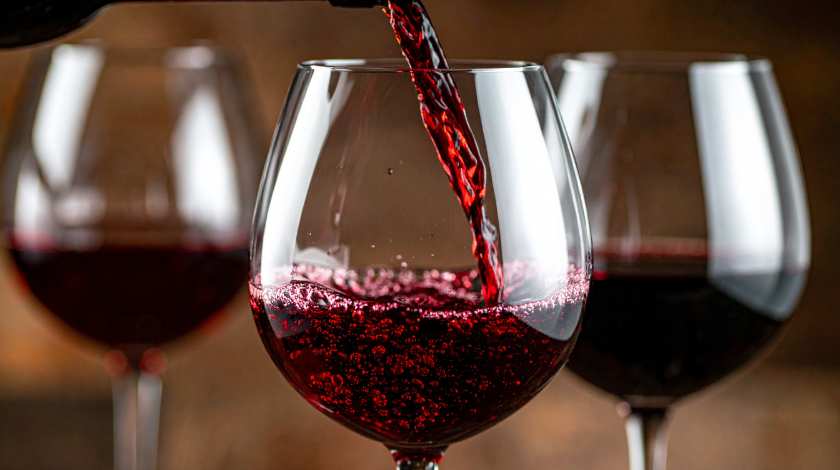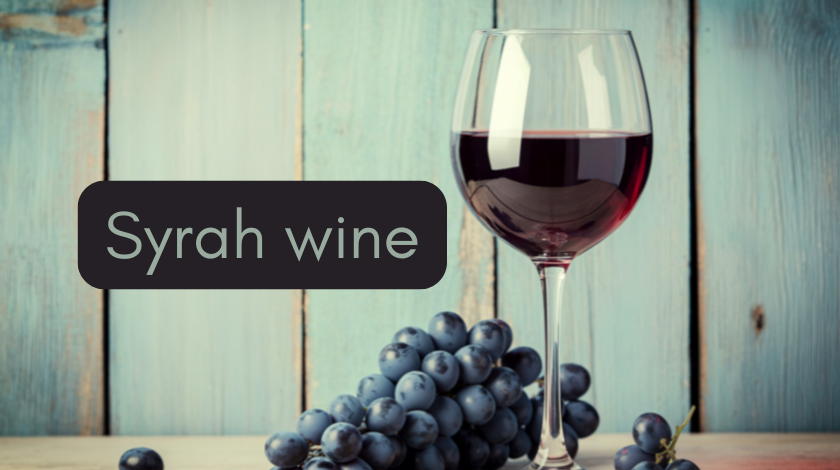
Have you ever picked up a bottle of red wine, seen the word “Syrah” on the label, and wondered what magic was inside? I remember my first bottle vividly. It was a chilly autumn evening, and a friend brought over a Syrah from Washington State. I was used to the boldness of Cabernet, but this was different. It had this incredible smell of dark berries, a touch of smoke, and a surprising hint of black pepper that made my mouth water before I even took a sip. That bottle was a conversation starter, and it completely changed how I saw red wine. If you’re curious about this amazing grape, you’re in the right place. Let’s walk through everything you need to know about Syrah, in plain English, as if we’re just chatting over a glass.
What Exactly is Syrah? (And Why is it Sometimes Called Shiraz?)
This is the first big question, and it trips up a lot of people. Simply put, Syrah and Shiraz are the same grape variety. Think of it like someone named “Jonathan” deciding to go by “John.” It’s the same person, just a different name he uses.
The story begins in France, specifically in the rocky, steep hills of the Northern Rhône Valley. Here, the grape has always been called Syrah. Wines from this region, like Hermitage or Côte-Rôtie, are the original blueprint. They are often elegant, smoky, and famously have a peppery note.
So, where did “Shiraz” come from? When this French grape vine traveled to Australia in the 1800s, the Australians adopted the name “Shiraz.” (There’s an old, now-disproven myth that the grape originated in the Iranian city of Shiraz, which is where the name stuck). Australian winemakers, blessed with abundant sunshine, made the grape their own. They created a riper, juicier, more full-throttle style of wine. Over time, “Shiraz” became synonymous with the bold, fruit-forward Australian style.
Here’s a simple rule of thumb: If the label says Syrah, the winemaker is likely signaling a style closer to the Old World French one—more restrained and earthy. If it says Shiraz, it’s probably in the richer, jammier Australian style. But this isn’t a strict law. A California winemaker might choose either name to tell you what style they were aiming for. Your best clue is always the region on the bottle.
What Does Syrah Taste Like? A Flavor Profile You Can Actually Understand
Reading wine descriptions can feel like deciphering a poem sometimes. Let me break down the taste of Syrah into real, relatable terms.
At its heart, Syrah is a full-bodied red wine. This means it feels weighty and rich in your mouth, coating your tongue. It’s not thin or watery. The tannins—that drying feeling you get on your gums, like strong tea—are usually present but often feel smoother and more velvety than, say, a young Cabernet Sauvignon.
Now for the fun part: the flavors.
-
The Fruit Basket: Imagine a basket of the darkest, ripest berries. We’re talking blueberries, blackberries, and plums. In warmer climates (like much of Australia or California’s Central Coast), these fruits taste like jam or baked pie filling. In cooler climates (like the Northern Rhône or Washington State), the fruit might be fresher, more like tart black currants.
-
The Spice Rack: This is Syrah’s signature move. Many Syrahs, especially from cooler areas, have a distinct black or white pepper aroma and taste. It’s not spicy like a chili, but aromatic like freshly cracked pepper. It’s what makes the wine so exciting and complex.
-
The Savory Side: As Syrah ages, or in certain regions, the fruit softens and other wonderful notes come forward. Think of dark chocolate, cured olives, smoky bacon, leather, or even a charred, grilled meat scent. These “savory” characteristics are what wine lovers geek out over.
Is it dry or sweet? Syrah is almost always a very dry wine. Any sweetness you perceive is actually the sensation of that ripe, jammy fruit—not actual sugar. The wine finishes clean.
A World of Syrah: How Your Glass Changes with the Map
One of the most fascinating things about wine is how the same grape can express itself differently depending on where it’s grown. Syrah is a world traveler and a master of adaptation.
-
French Syrah (The Original): From its homeland in the Northern Rhône, expect wines of power and finesse. They are less about upfront fruit jam and more about structure, acidity, and those classic notes of black pepper, violets, smoked meat, and iron. They are built to age gracefully. A Crozes-Hermitage or a Saint-Joseph can be fantastic introductions to this style.
-
Australian Shiraz (The Bold Statement): This is the style that made the grape famous worldwide. Barossa Valley, McLaren Vale, and Hunter Valley Shiraz are often sun-drenched, dense, and generously flavored. The fruit is super ripe: think blueberry jam, dark chocolate, and licorice. The tannins are lush, and the alcohol can be higher, giving a warming feeling. It’s an approachable, crowd-pleasing style.
-
American Syrah (The Best of Both Worlds): In the USA, winemakers play with both sides of the Syrah/Shiraz personality.
-
California makes fantastic examples, from the rich, ripe styles of Paso Robles to the more peppery, structured ones from cooler spots like the Sonoma Coast.
-
Washington State, in my opinion, is one of the most exciting places for Syrah on the planet. The climate allows a beautiful balance: the ripe fruit of the New World meets the peppery, savory notes of the Old World. Wines from the Walla Walla Valley or Red Mountain are incredibly balanced and complex.
-
The Perfect Dinner Guest: What to Eat with Syrah
If Syrah could choose its ideal dinner date, it would be something off the grill. This wine is arguably one of the best food wines ever made because of its savory character. It doesn’t just complement food; it joins the party.
The key is to match its intensity. A big, flavorful wine needs big, flavorful food.
-
Grilled & Smoked Meats: This is the classic, no-fail pairing. The smoky, charred notes in the wine meet the smoky, charred notes on your plate. Grilled steak, lamb chops, barbecued ribs, smoked brisket, or venison are all heavenly matches. The wine’s tannins cut through the fat, making each bite and each sip better than the last.
-
Hearty Stews & Braises: A slow-cooked beef stew, a Moroccan lamb tagine, or a cassoulet. These rich, slow-cooked dishes find their soulmate in a glass of Syrah.
-
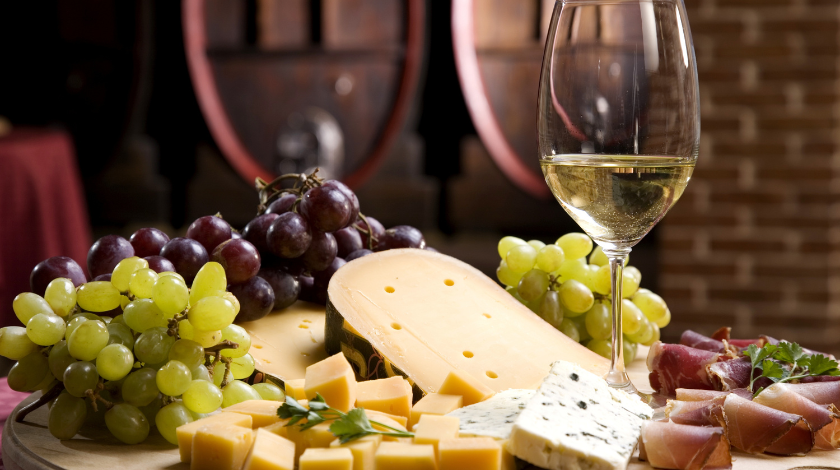
Robust Cheeses: Skip the brie here. Go for aged, firm, or blue cheeses. Aged cheddar, Gouda, Manchego, or a blue cheese like Roquefort can stand up to the wine. The combination creates a wonderful nutty, caramelized flavor.
-
Vegetarian Options: Don’t think Syrah is only for meat-eaters. Portobello mushroom burgers, grilled eggplant with a miso glaze, or lentil and walnut shepherd’s pie have the umami (savory) depth to work beautifully.
Syrah vs. The Big Reds: A Quick Comparison
It’s natural to wonder how Syrah stacks up against other reds you might know.
-
Syrah vs. Cabernet Sauvignon: Both are full-bodied, but Cabernet (especially from places like Napa) tends to be more focused on cassis (blackcurrant) fruit, with firmer, grippier tannins and notes of green bell pepper or mint. Syrah is generally softer in tannin, more peppery, and often jammier. Cabernet can feel more “structured,” while Syrah feels more “plush.”
-
Syrah vs. Pinot Noir: This is a bigger difference. Pinot Noir is typically light to medium-bodied, with high acidity and flavors of red berries (cherry, strawberry), earth, and mushrooms. Syrah is darker, heavier, and more powerful. If Pinot is a ballet dancer, Syrah is a tango dancer—both expressive, but with very different energy.
How to Choose a Syrah Bottle Without Stress
Walking down the wine aisle can be overwhelming. Here’s my practical advice:
-
Start with the Style You Think You’ll Like: Do you want something bold and jammy? Look for an Australian Shiraz from Barossa. Intrigued by pepper and earth? Try a French Syrah from the Rhône or a Washington State Syrah. Want something in the middle? Look at California.
-
Don’t Fear the Price Tag: You don’t need to spend a fortune. Excellent, entry-level Syrah/Shiraz is widely available between $15 and $25. Regions like Languedoc in France or South Eastern Australia offer tremendous value.
-
Ask for Help: Tell your local wine shop clerk, “I’m looking for a Syrah that’s not too heavy but has that peppery kick.” They live for these questions.
-
A Personal Recommendation to Start: If I were to suggest one widely-available starting point, it would be a Syrah from the Columbia Valley in Washington State. It consistently delivers that perfect balance of fruit and spice that makes the grape so special.
Conclusion
Syrah is a wine of confidence and conversation. It’s the glass you reach for when the weather turns cool, when friends are over for a barbecue, or when you simply want a red wine that has both muscle and grace. From the sun-baked hills of Australia to the ancient slopes of the Rhône, this grape tells a story of place in every bottle. Its signature blend of dark fruit, smoky whispers, and a peppery kick makes it uniquely versatile and endlessly interesting. So, the next time you’re faced with the choice, be brave. Pick up the Syrah. Pour yourself a glass, give it a swirl, and see what story it has to tell you. You might just find your new favorite red.
Frequently Asked Questions (FAQ)
Q: Is Syrah sweet?
A: No, Syrah is a dry red wine. The ripe fruit flavors can give an impression of sweetness, but virtually all the sugar from the grapes has been fermented into alcohol.
Q: Should I decant Syrah?
A: It’s a great idea, especially for younger, more tannic bottles (like many from the Northern Rhône or bigger Australian Shirazes). Decanting for 30-60 minutes before drinking allows the wine to breathe, softening the tannins and opening up the aromas. Older, more delicate Syrahs might need less decanting.
Q: How long does Syrah last? Can I age it?
A: Most Syrah/Shiraz you buy at the everyday price point is meant to be enjoyed within 3-5 years of the vintage. However, Syrah has fantastic aging potential. Top wines from the Northern Rhône (Hermitage, Côte-Rôtie), premium Barossa Shiraz, or Washington Syrah can age and improve for 10, 15, or even 20+ years, developing incredible leather, truffle, and forest floor notes.
Q: What’s the ideal serving temperature for Syrah?
A: Slightly cooler than room temperature is best—around 60-65°F (15-18°C). If your room is warm, pop the bottle in the fridge for 20-30 minutes before serving. Too warm, and the alcohol will taste hot; too cold, and you’ll mute its beautiful flavors.
Q: What’s a good “next step” wine if I like Syrah?
A: If you love the boldness, try a Malbec from Argentina or a Petite Sirah (which is a different grape, despite the name). If you love the savory, peppery side, explore Mourvèdre or Grenache blends from the Southern Rhône (like Châteauneuf-du-Pape) or Spain.