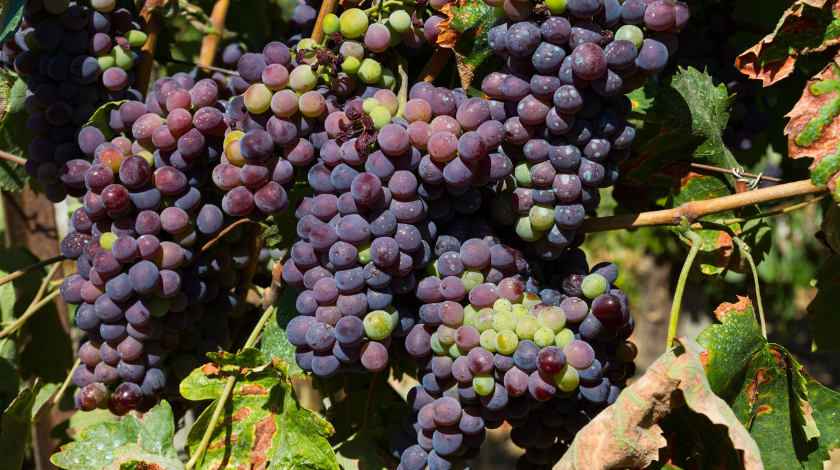
If you have ever walked into a wine shop and felt a bit overwhelmed by the red wine section, you are not alone. There are thousands of grapes out there, but few have the commanding presence and the storied history of the Shiraz wine grape. I remember the first time I sat down with a glass of truly high quality Shiraz. It was a cool evening, and the wine was so dark it was almost opaque. The smell of cracked black pepper and ripe plums filled the air before I even took a sip. That moment changed how I thought about wine. It wasn’t just a drink; it was an experience. In this guide, I want to take you through everything that makes this grape so special, using simple language so we can all enjoy the magic of Shiraz together.
The Mystery of the Name: Syrah or Shiraz?
One of the most common questions people ask is whether Syrah and Shiraz are different grapes. The short answer is no. They are genetically identical. However, the name tells you a lot about the style of wine you are about to drink. Generally, when a label says “Syrah,” the winemaker is leaning toward the traditional French style. This usually means the wine is a bit more elegant, leaner, and perhaps has more earthy or mineral notes. When the label says “Shiraz,” it usually points toward the Australian or “New World” style. These wines tend to be bolder, fruitier, and higher in alcohol.
The name Shiraz became famous because of Australia. While the grape originated in France, the Australians took it and made it their own. There was a long-standing myth that the grape actually came from the city of Shiraz in ancient Persia (modern-day Iran). People loved the romantic idea of a crusader bringing vines back from the Middle East. However, modern DNA testing has shown us the truth. Shiraz is a cross between two obscure grapes from southeastern France: Dureza and Mondeuse Blanche. Even if the Persian legend isn’t true, the name stuck, and today it represents some of the most powerful wines on the planet.
What Does Shiraz Taste Like?
When you pour a glass of Shiraz, the first thing you will notice is the color. It is a deep,inky purple that looks heavy in the glass. On the nose, Shiraz is famous for its “spice cupboard” aroma. If you smell closely, you will often find a distinct scent of black pepper. This is caused by a natural compound in the grape skins called rotundone. Along with that pepper, you get huge hits of dark fruits. Think of blackberries that are so ripe they are almost falling off the bush, or sweet dark plums and blueberries.
As the wine sits in your mouth, you will feel its “body.” Shiraz is almost always a full-bodied wine. It feels thick and lush, coating your tongue. If the wine was aged in oak barrels, which most good Shiraz is, you might also taste hints of vanilla, sweet tobacco, or even a bit of smoke. In my experience, a warm-climate Shiraz from a place like the Barossa Valley in Australia tastes like “Christmas in a glass” because of those rich fruit and spice combinations. On the other hand, a Shiraz from a cooler area might taste more like savory olives and tart red cherries.
Why the Environment Matters
The “terroir,” which is just a fancy French word for the environment where the grapes grow, plays a massive role in how Shiraz turns out. This grape is a bit of a sun worshipper. It loves heat. In very hot climates, the grapes get very sweet very quickly. This results in wines with high alcohol levels, sometimes reaching 15% or 16%. These are the “blockbuster” wines that feel like a warm hug. They are soft, jammy, and very easy to drink even when they are young.
However, if you grow Shiraz in a place that is too hot, it can lose its acidity and end up tasting “flabby” or boring. This is why the best regions are those that have hot days but cool nights. The cool nights help the grape keep some of its natural zestiness. Soil also matters. Shiraz loves well-drained soil. In parts of Australia, they have “Terra Rossa” soil, which is a bright red clay over limestone. This specific soil gives the wine a structured feel and a certain grit that makes it age beautifully for decades.
The Australian Connection
You cannot talk about Shiraz without talking about Australia. It is the country’s most planted grape variety. While the French might have invented it, the Australians perfected the art of making it accessible to everyone. In the mid-1800s, James Busby brought cuttings from Europe to Australia, and the vines loved the harsh, sun-drenched landscape. Some of the oldest Shiraz vines in the world are actually in Australia, some dating back to the 1840s. Because Australia never suffered from certain vine diseases that wiped out European vineyards in the 19th century, these “Old Vines” still produce tiny amounts of incredibly concentrated fruit.
If you are just starting your Shiraz journey, I highly recommend looking for a bottle from the Barossa Valley or McLaren Vale. These areas produce the classic, bold style. If you want something a bit more refined and peppery, look toward the Hunter Valley or the Yarra Valley. The diversity of Shiraz within Australia alone is enough to keep a wine lover busy for a lifetime. I have spent many afternoons tasting through different Australian regions, and it is amazing how a wine from a few miles away can taste completely different just because of the wind or the slope of the hill.
How to Pair Shiraz with Food
Because Shiraz is such a big, bold wine, it needs food that can stand up to it. You don’t want to pair a heavy Shiraz with a delicate piece of white fish; the wine will completely overwhelm the food. The classic pairing is grilled or roasted red meat. The tannins in the wine (that dry feeling you get on your gums) actually react with the protein in the meat, making the wine feel smoother and the meat taste more flavorful. A ribeye steak with a lot of marbling is a match made in heaven for a Barossa Shiraz.
If you are a vegetarian, don’t worry. Shiraz goes wonderfully with earthy, savory flavors. Think of roasted portobello mushrooms, lentil stews with lots of herbs, or grilled halloumi cheese. The peppery notes in the wine also make it a great companion for barbecue. Anything with a smoky, charred crust will bring out the hidden layers of the grape. I also love to pair a glass of Shiraz with a piece of very dark chocolate at the end of a meal. The bitterness of the chocolate and the fruitiness of the wine create a really luxurious sensation.
Serving and Storing Your Wine
To get the most out of your bottle, you should pay attention to the temperature. A common mistake is serving red wine too warm. If a Shiraz is at “room temperature” in a modern heated house, it can taste a bit boozy or sharp. I like to put my Shiraz in the fridge for about 15 to 20 minutes before opening it. You want it to be slightly cool to the touch, around 60 to 65 degrees Fahrenheit. This keeps the fruit flavors fresh and keeps the alcohol in check.
Also, give the wine some air. Shiraz is a “tight” grape when first opened. Pouring it into a decanter or just letting it sit in a wide glass for thirty minutes allows oxygen to soften the tannins. You will notice that the smell changes significantly over an hour; it opens up like a flower. If you are planning to store wine, Shiraz is a great candidate for cellaring. A good bottle can easily age for 5 to 10 years, and top-tier examples can last for 20 years or more. Over time, that bright purple color turns to a brick red, and the fruit flavors turn into complex notes of leather, forest floor, and dried spices.
My Personal Take on Shiraz
In my opinion, Shiraz is the most “honest” wine grape. It doesn’t try to hide what it is. It tells you exactly where it came from and how much sun it saw that year. While some people find it too heavy, I think there is a Shiraz for everyone if you look in the right places. Whether it is a cheap and cheerful bottle for a Tuesday night pizza or a high-end bottle for a wedding anniversary, this grape always delivers. It has a soulfulness that is hard to find in other varieties.
When you go to buy your next bottle, don’t be afraid to ask for help. Tell the clerk if you like “big and fruity” or “spicy and savory.” They will be able to point you toward a Shiraz that fits your mood. Remember, wine is supposed to be fun. There are no wrong answers when it comes to what you enjoy. If you like it, it is a good wine.
Conclusion
The Shiraz wine grape is a true global superstar. From its humble beginnings in the French countryside to its rise as the king of Australian viticulture, it has proven itself to be versatile, hardy, and delicious. Its ability to produce everything from light, peppery reds to thick, chocolatey masterpieces makes it a staple for any wine enthusiast. By understanding the climate it grows in and the way it reacts to oak and age, you can begin to navigate the wine aisles with confidence. So, next time you see a bottle of Shiraz, grab it, fire up the grill, and enjoy the deep, spicy flavors that have captivated drinkers for centuries.
FAQ
Is Shiraz sweeter than Merlot?
Generally, no. Both are usually fermented to be dry (meaning all the sugar is turned into alcohol). However, Shiraz often has more “fruit sweetness” or “jamminess,” which might make it perceive as sweeter to your tongue even if there is no actual sugar.
What is the best glass for Shiraz?
A large, bowl-shaped glass is best. You want a glass with a wide rim that allows you to get your nose in there to smell those amazing pepper and blackberry aromas.
Can you drink Shiraz chilled?
While you shouldn’t drink it ice-cold like a white wine, a slight chill is actually very beneficial. If you are outside on a hot day, keeping your Shiraz in a bucket of cool water will make it much more refreshing.
How long does an open bottle of Shiraz last?
Because it is a robust wine with high tannins, it usually stays good for 3 to 5 days after opening if you put the cork back in and keep it in a cool place.
Why does some Shiraz smell like bacon?
This is a common trait in cool-climate Shiraz, especially from the Northern Rhone. It comes from a combination of the grape’s natural chemistry and certain types of yeast used during fermentation. It is a highly prized characteristic!