For a long time, rose wine was the misunderstood middle child of the beverage world. It was often dismissed as either too sweet, too cheap, or just a trend for people who didn’t actually like “real” wine. I remember my first experience with a glass of pink wine years ago. It was a sugary, neon-colored liquid that left me with a headache and a vow to stick to Cabernet. However, as I traveled and learned more about the craft, I realized how wrong I was. Modern rose is a sophisticated, diverse, and incredibly refreshing category that deserves a permanent spot in your cellar. It is not just a “summer drink,” though it certainly shines when the sun is out. It is a technical marvel of winemaking that bridges the gap between the crispness of a white and the body of a light red.
The Mystery of the Pink Hue
The first question most people ask is where that beautiful pink color comes from. Contrary to what some might believe, rose is not usually made by mixing red and white wine together. In fact, in most of Europe, doing that is actually illegal for high-quality still wines. The secret lies entirely in the skins of the red grapes. If you squeeze a red grape, the juice that comes out is almost always clear. The color, tannins, and many of the flavors live in the skin.
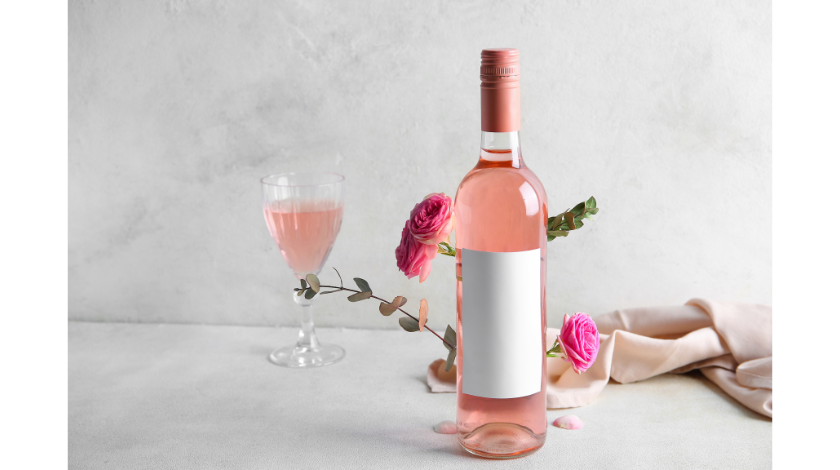
To make rose, winemakers crush the red grapes and let the juice sit with the skins for a very short period. This is called maceration. While a red wine might sit with its skins for weeks to get a deep, dark purple color, a rose might only sit for two to twenty hours. It is a delicate balancing act. If the winemaker leaves the skins in for too long, the wine becomes a light red. If they take them out too soon, it looks like a stained white wine. This “skin contact” is what gives rose its spectrum of colors, ranging from a pale onion skin or salmon pink to a vibrant, electric cherry.
The Three Ways to Make Rose
There are three primary ways that winemakers achieve this style, and understanding them can help you pick a bottle you truly enjoy. The most common is the Maceration Method. This is when red grapes are grown specifically to become rose. They are picked at the right time to preserve acidity and then crushed and left to soak. Because the goal is rose from the start, these wines are usually very balanced and intentional. They have that crisp, refreshing bite that we all look for on a hot day.
The second method is called Saignée, which is a French word meaning “to bleed.” This happens when a winemaker is actually trying to make a very concentrated red wine. To make the red wine more intense, they “bleed off” some of the pink juice early in the process. This leftover juice is then fermented into rose. These wines are often darker and more “meaty” or full-bodied than macerated roses. I personally find Saignée roses to be fantastic with heavier foods like grilled salmon or even a burger because they have more structure and alcohol.
The third method is Blending, which is exactly what it sounds like. A small amount of red wine is added to a large vat of white wine. While this is generally looked down upon for still wines, it is the standard practice for Rose Champagne. Some of the most expensive and prestigious bottles of bubbly in the world are made this way. It allows the winemaker to have incredible control over the final color and flavor profile every single year.
Dry vs. Sweet: Finding Your Palate
One of the biggest hurdles for new rose drinkers is the fear of sugar. This fear mostly stems from the “White Zinfandel” craze of the 1980s, which was a very sweet, mass-produced wine. Today, the vast majority of premium rose is bone-dry. If you are looking for a dry wine, look for bottles from Provence, France. This region is the spiritual home of rose. Their wines are famous for being pale, salty, and incredibly crisp, with notes of strawberry and rose petals.
If you prefer something with a bit more fruitiness or a hint of sweetness, you might look toward the “New World” regions like California or parts of Australia. However, do not confuse “fruity” with “sweet.” A wine can smell like ripe watermelons and berries but still have zero sugar in it. This is why I always tell people to check the alcohol percentage. Usually, if the alcohol is above 12 percent, the wine is likely dry. If it is around 9 or 10 percent, there is probably some leftover sugar in the bottle.
Exploring the World Through Pink Glasses
While Provence gets all the glory, some of my favorite bottles come from other parts of the world. In Italy, they call it Rosato. Italian roses are often made from grapes like Sangiovese or Nebbiolo. They tend to have a bit more “zip” and acidity, making them perfect for Italian cuisine. I once had a Rosato from Sicily that tasted like volcanic minerals and crushed raspberries, it was an eye-opening experience that proved rose could be as complex as any fine red wine.
Spain also offers incredible value with their Rosado wines. These are often made from Grenache (Garnacha) or Tempranillo. They tend to be a bit deeper in color and have a wonderful spice note to them. If you want something bold and full of character, a Spanish Rosado is usually a safe bet. Then there is the Tavel region in the Rhone Valley of France. This is the only region I know of that only makes rose. Their wines are famous for being dark, age-worthy, and very savory. Tavel is a wine for people who think they don’t like rose.
The Art of Pairing Food with Rose
The reason sommeliers love rose is that it is a “bridge wine.” It has the high acidity of a white wine, which cleanses the palate, but it also has the fruit weight and slight tannins of a red wine. This makes it the most versatile food wine on the planet. If you are at a dinner party and one person is eating fish while the other is eating steak, a dry rose is often the only bottle that can satisfy both pairings.
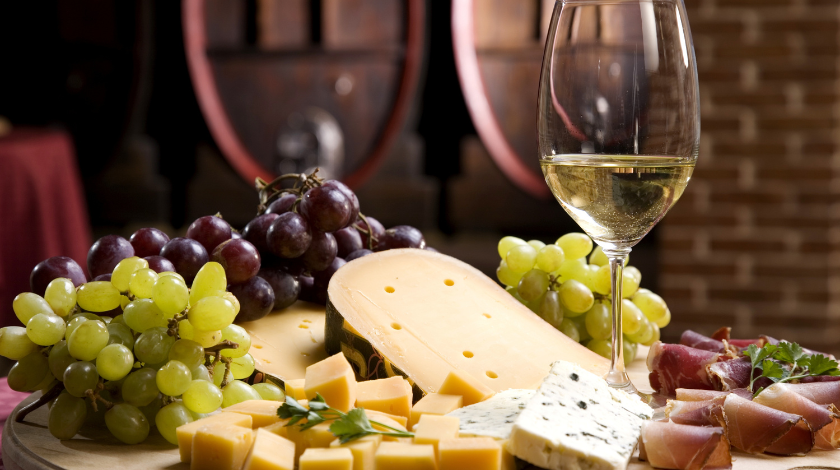
Personally, I think rose and spicy food are a match made in heaven. The chilled temperature and fruitiness of the wine help to calm the heat of Thai or Indian spices. It is also the ultimate picnic wine. Think about it: charcuterie, goat cheese, olives, and crusty bread. All of these things are enhanced by the bright, berry-driven flavors of a chilled pink wine. I’ve even paired a heavier rose with BBQ ribs, and the way the acidity cut through the fatty meat was nothing short of a revelation.
Serving and Storage: Don’t Overthink It
To get the most out of your bottle, temperature is everything. You want it cold, but not freezing. If it is too cold, you will lose all the delicate floral aromas. I usually pull my bottle out of the fridge about ten minutes before I plan to pour it. As for glassware, you don’t need anything fancy. A standard white wine glass works perfectly. The smaller bowl helps keep the wine cool and focuses the aromas toward your nose.
One crucial tip: rose is generally not meant for aging. Unlike a big Napa Cabernet that can sit in a cellar for twenty years, rose is all about freshness. You want to drink the most recent vintage available. If you are standing in a wine shop and see a rose that is three or four years old, be careful. It might have lost that vibrant “pop” of fruit and turned a bit brownish and flat. Look for the current year or the year prior on the label to ensure you are getting the best experience.
Personal Reflections on the “Pink Movement”
I’ve noticed a shift in how we talk about these wines lately. There was a time when men were hesitant to be seen with a glass of pink wine, which gave rise to the “Brosé” trend. While the name is a bit silly, the sentiment is great: rose is for everyone. It is a technical, difficult wine to produce well. It requires a winemaker to be incredibly precise because there is nowhere to hide flaws. You can’t mask bad grapes with heavy oak barrels in a rose.
When you sit down with a glass of well-made rose, you are tasting the essence of the vineyard in its purest form. You are tasting the specific grapes, the soil, and the climate of that year. Every time I pop a cork on a new bottle, I feel like I’m taking a mini-vacation. It carries an energy that other wines sometimes lack. It is celebratory, approachable, and deeply satisfying.
Conclusion
Rose wine has successfully shed its old reputation and emerged as one of the most exciting categories in the beverage industry. Whether you are sipping a bone-dry Provence wine on a balcony or enjoying a structured Tavel with a home-cooked meal, there is a style out there for everyone. It is a category defined by diversity, ranging from light and floral to dark and spicy. The next time you walk down the wine aisle, don’t just pass by the pink section. Grab a bottle from a region you’ve never tried, chill it down, and pair it with your favorite meal. You might just find that rose is the most versatile and enjoyable wine in your rotation.
Frequently Asked Questions
1. Is rose wine a blend of red and white grapes?
Generally, no. Most rose is made from red grapes that have had very limited contact with their skins. The juice is separated from the skins before it becomes dark red. Blending red and white wine is a method used primarily for Rose Champagne, but it is uncommon for still table wines.
2. How long does an opened bottle of rose last?
Because rose has high acidity, it can stay fresh in the refrigerator for about three to five days if you put the cork back in. However, the delicate fruit aromas will start to fade after the first 24 hours, so it is best enjoyed sooner rather than later.
3. Why are some roses very pale and others dark pink?
The color depends on the grape variety and how long the juice stayed in contact with the skins. Thicker-skinned grapes like Syrah or Malbec will produce a darker color more quickly than thin-skinned grapes like Grenache or Pinot Noir. Darker doesn’t always mean sweeter; it usually just means the wine has more body and tannins.
4. What is the best temperature to serve rose?
The sweet spot is usually between 45 and 55 degrees Fahrenheit (7 to 12 degrees Celsius). If it’s a very light, dry rose, lean toward the colder side. If it’s a fuller-bodied, darker rose, let it warm up slightly to release more complex flavors.
5. Does rose wine go bad?
Rose doesn’t “go bad” in a way that makes it dangerous, but it does lose its appeal. Most rose is intended to be consumed within one to two years of its vintage date. Over time, it loses its bright acidity and fresh fruit flavors, eventually tasting flat or “cooked.”