I remember the first time I actually fell in love with a glass of wine. It wasn’t one of those heavy, mouth-drying reds that make you feel like you just ate a handful of velvet. It was a glass of Pinot Noir from a small vineyard in the Willamette Valley. It was translucent, almost like a dark ruby, and the moment I smelled it, I was hit with scents of forest floor, dried cherries, and something that reminded me of a rainy afternoon in the woods. That is the magic of Pinot Noir. It is not just a drink; it is an experience that tells a story of the soil, the weather, and the person who spent months worrying over the vines. If you are looking to understand this wine, you have to look beyond the label and dive into what makes this grape so incredibly frustrating yet rewarding for everyone involved.
Pinot Noir is often called the “heartbreak grape” by winemakers. This is not just a catchy nickname used for marketing. It is a genuine reflection of how difficult this vine is to cultivate. The grape itself has very thin skin, which makes it incredibly sensitive to everything in its environment. If it gets too much sun, the grapes shrivel and lose their delicate flavors. If there is too much rain, the thin skins can burst or rot. Even the wind can be an enemy to a Pinot Noir crop. However, when the conditions are perfect, and the winemaker handles the fruit with the care of a diamond cutter, the result is the most elegant, complex, and beautiful red wine in the world. It is a high-stakes game of poker between man and nature, and we, the drinkers, get to enjoy the winnings.
The Distinct Personality of Pinot Noir
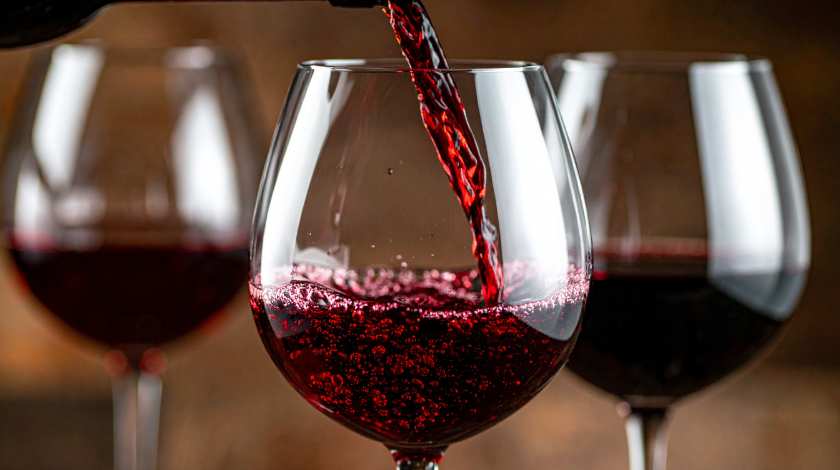
When you pour a glass of Pinot Noir, the first thing you will notice is the color. Unlike a deep purple Malbec or a blackish Cabernet Sauvignon, Pinot Noir is much lighter. It is often a pale red or a deep pinkish-ruby color. You can usually see right through it to the bottom of the glass. This light color is a result of those thin skins I mentioned earlier. Since most of a red wine’s color and tannin comes from the skin, a thin-skinned grape naturally produces a lighter-bodied wine. But do not let the light color fool you into thinking it lacks flavor. Pinot Noir is a powerhouse of complexity, often packing more aroma and nuance into a single sip than much heavier wines can manage in an entire bottle.
The flavor profile of a typical Pinot Noir is usually dominated by red fruits. Think of fresh raspberries, tart cherries, and strawberries. As the wine ages or if it comes from a specific region, you will start to notice what we call “savory” notes. These are the smells of damp earth, mushrooms, leather, and even a bit of clove or cinnamon. This balance between fruit and earth is what makes it so enticing. It is one of the few red wines that can feel refreshing because of its high acidity. That acidity is like a bright spark that cleanses your palate, making you want to go back for another sip immediately. It is never heavy or cloying, which is why it has such a massive following among both beginners and seasoned sommeliers.
Old World vs. New World: A Tale of Two Styles
To truly appreciate Pinot Noir, you have to understand where it comes from. The ancestral home of this grape is Burgundy, France. In this region, they do not even call it Pinot Noir on the label; they just call it “Red Burgundy.” For the French, it is all about the “terroir,” which is a fancy word for the specific environment where the grapes grow. In Burgundy, the wines tend to be more earthy and acidic. They taste like the ground they grew in. You might get a lot of that “forest floor” or “truffle” vibe from a French bottle. These wines are often built to age for decades, slowly evolving from bright fruit into something deeply savory and mysterious.
On the other side of the fence, we have the “New World” regions like California, Oregon, and New Zealand. In these places, the climate is often a bit more predictable and sometimes warmer. California Pinot Noirs, especially those from the Russian River Valley or Santa Barbara, tend to be much fruitier and richer. You get big, lush notes of black cherry and vanilla, often because they spend more time in toasted oak barrels. Oregon, specifically the Willamette Valley, sits somewhere in the middle. It has the coolness of France but the fruit-forward nature of the States. I often tell people that if they want something bold and friendly, go for California. If they want something intellectual and moody, go for Burgundy. And if they want the best of both worlds, Oregon is the place to look.
The Culinary Swiss Army Knife
One of my favorite things about Pinot Noir is how easy it is to pair with food. Most red wines are quite picky. If you try to drink a heavy Cabernet with a piece of fish, the tannins in the wine will make the fish taste metallic and unpleasant. But Pinot Noir is a different story. Because it has low tannins and high acidity, it can dance with a wide variety of flavors. It is famously the best partner for salmon. The richness of the fish is cut perfectly by the wine’s acidity, while the red fruit flavors complement the sweetness of the seafood. It is a match made in heaven that I recommend to everyone who thinks they can only drink white wine with fish.
Beyond seafood, Pinot Noir loves anything earthy. If you are cooking a dish with mushrooms, whether it is a creamy risotto or a grilled portobello, reach for a Pinot. The fungal notes in the wine and the food will amplify each other in a way that is truly special. It is also the go-to wine for Thanksgiving dinner. Because a typical holiday spread has so many different flavors—salty turkey, sweet cranberry sauce, earthy stuffing—you need a wine that can handle everything without overpowering any of it. Pinot Noir is the only red wine that can sit at that table and make every single dish taste better. It is versatile, forgiving, and always a crowd-pleaser.
Serving Your Wine the Right Way
I see people make the same mistake all the time: they serve their red wine too warm. Just because someone said “room temperature” doesn’t mean you should drink it at 75 degrees Fahrenheit. For a delicate wine like Pinot Noir, serving it too warm will make the alcohol smell harsh and dull the fruit flavors. Ideally, you want to serve it slightly cool, around 55 to 60 degrees. If you don’t have a wine fridge, just pop the bottle in your regular refrigerator for about 20 or 30 minutes before you plan to open it. This small step makes a massive difference. The flavors will be sharper, the aromas will be more focused, and the wine will feel much more alive.
The glass you use also matters more than you might think. Pinot Noir is an aromatic wine; half the fun is smelling it. You want a glass with a very wide bowl and a rim that tapers inward. This is often called a “Burgundy glass.” The wide bowl allows more air to hit the wine, which helps release those beautiful scents of cherry and earth. The tapered rim then traps those aromas at the top of the glass so that when you take a sip, your nose is fully immersed in the bouquet. If you drink Pinot Noir out of a narrow, straight-sided glass, you are missing out on half the experience. It is like listening to a great symphony with cheap headphones; you hear the music, but you miss the soul.
The Price of Beauty
I have to be honest with you: good Pinot Noir is rarely cheap. Because the grape is so hard to grow and produces lower yields than other varieties, the price per bottle is usually higher. You can find cheap Cabernet or Merlot that tastes decent, but “budget” Pinot Noir often tastes like thin, flavored water. If you want to experience what this wine is truly capable of, you usually have to spend a little bit more. However, I believe it is worth every penny. You aren’t just paying for fermented juice; you are paying for the labor of love that went into keeping those finicky vines alive through a frost or a heatwave. When you find a bottle that hits all the right notes, it stays with you. It is a wine that provokes conversation and makes a simple meal feel like a grand occasion.
Building Your Own Connection
At the end of the day, wine is subjective. What I love about a spicy New Zealand Pinot might be different from what you enjoy in a silky French one. The best way to learn is to taste. Buy a bottle from three different regions and open them at the same time with some friends. Compare the colors, the smells, and the way they feel on your tongue. Don’t worry about using the “correct” wine terms. If it smells like your grandmother’s garden or a bowl of fresh cherries, say that. Wine should be approachable, not intimidating. Pinot Noir is the perfect gateway into the deeper world of wine because it is so expressive and honest. It doesn’t hide behind heavy oak or thick tannins; it shows you exactly what it is.
In my years of exploring different vineyards, I have found that Pinot Noir drinkers are a loyal bunch. Once you get a taste for that bright acidity and those complex layers, other red wines can start to feel a bit one-dimensional. It is a wine that rewards patience and curiosity. Whether you are sitting on a porch in the summer or by a fire in the winter, there is a Pinot Noir that fits the mood. It is elegant enough for a wedding and simple enough for a Tuesday night pizza. It truly is the “Swiss Army Knife” of the wine world, and I hope this guide helps you feel more confident the next time you are standing in the wine aisle looking for that perfect ruby-colored bottle.
Conclusion
Pinot Noir is a wine of contradictions. It is delicate yet complex, difficult to grow yet easy to drink, and light in color yet heavy in flavor. By understanding its origins in Burgundy and its expansion into the New World, you can begin to navigate the vast array of styles available today. Whether you are pairing it with a grilled salmon fillet or a mushroom-heavy pasta, remember to serve it slightly chilled and in the right glass to unlock its full potential. While it may require a slightly higher investment than other reds, the emotional and sensory payoff of a great bottle of Pinot Noir is unmatched in the world of viticulture.
Frequently Asked Questions
1. Is Pinot Noir sweet or dry?
Most Pinot Noir is fermented to be a dry red wine. This means there is very little residual sugar left in the bottle. However, because it is so fruit-forward with notes of cherry and raspberry, some people perceive it as being “sweet.” It is technically dry, but very fruity.
2. Should I decant Pinot Noir?
Unlike heavy Cabernets that need hours of air, Pinot Noir is quite delicate. You generally do not need to decant it for long. About 15 to 30 minutes of air is usually enough to let it “wake up.” Decanting for too long can actually cause the delicate aromas to fade away.
3. Why is Pinot Noir more expensive than other red wines?
The Pinot Noir grape is incredibly temperamental. It requires specific cool climates, is prone to disease, and has lower yields per acre than tougher grapes like Syrah. The higher price reflects the increased risk and labor required to produce a high-quality crop.
4. How long can I store an opened bottle of Pinot Noir?
Once opened, a Pinot Noir will usually stay fresh for about 2 to 3 days if you put the cork back in and keep it in the refrigerator. Because it is a more delicate wine, it oxidizes faster than heavier reds.
5. What is the best glass for Pinot Noir?
Look for a “Burgundy glass.” It has a large, round bowl and a narrower rim. This design allows the wine to breathe and concentrates the aromas toward your nose, enhancing the tasting experience.