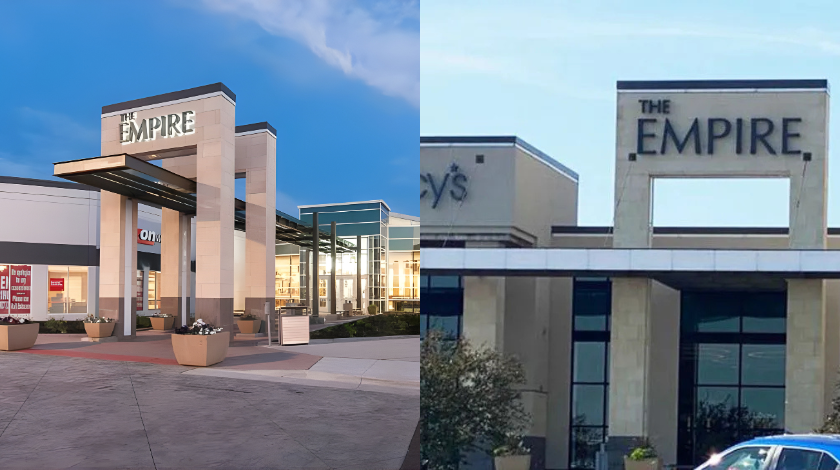
There is something almost magical about walking into a shopping mall that has been around for half a century. You can feel the history in the architecture, see it in the faces of families who have been coming here for generations, and sense it in the way the community has woven this place into the fabric of daily life. The Empire Mall in Sioux Falls is exactly that kind of place. As someone who has visited countless shopping centers across the Midwest, I can tell you that few have the character, resilience, and genuine community connection that this mall has maintained since its doors first opened on September 24, 1975.
When Empire Mall first opened, it was called Sioux Empire Plaza. The name eventually got shortened to just “The Empire,” and that nickname stuck so well that most locals still use it today. What started as a $10 million development with just 47 stores has grown into South Dakota’s largest shopping destination, now housing over 140 retailers and drawing visitors from across multiple states. This is not just a place to buy things. It is a gathering spot, a memory-maker, and, honestly, a testament to how retail spaces can evolve while still honoring their roots.
The History: From Sioux Empire Plaza to Modern Landmark
The story of the Empire Mall begins in the early 1970s, when General Growth Properties, based in Des Moines, saw potential in the growing city of Sioux Falls. On November 27, 1972, company spokesman Clint Caulke announced plans for a major shopping center that would cost $10 million and employ roughly a thousand people. The location they chose was strategic: the southeast corner of 41st Street and Interstate 29, right where two major thoroughfares met. This positioning would prove crucial to the mall’s long-term success, making it easily accessible for shoppers coming from Iowa, Minnesota, Nebraska, and throughout South Dakota.
Construction finally began in July 1974 after all the necessary permits, zoning approvals, and contract negotiations were completed. The building process itself was quite the undertaking. Workers had to reroute the Great Lakes Pipeline, which was running directly beneath the construction site, carrying oil from Kansas to a tank farm on West 12th Street. By October 1974, the anchor tenants were announced: JCPenney, Herberger’s, and Younker’s. The JCPenney location would even include an eight-bay auto center, which was a nice touch for the era.
The grand opening on September 24, 1975, was a significant event for Sioux Falls. Martin and Matthew Bucksbaum, who had conceived and developed the project, were there for the ribbon-cutting ceremony, along with representatives from Younker’s and Herberger’s. Interestingly, JCPenney was not ready for the opening day and would not open its doors until April 21, 1976. Those early months must have been interesting, with shoppers walking past the darkened JCPenney storefront on their way to the other anchors.
The original mall was impressive for its time. It featured 645,000 square feet of shopping space spread across 15 acres under one roof. The parking lot could accommodate 3,500 cars, which seemed massive back then. Some fun facts from the construction period give you a sense of the scale: the total number of bricks used, if stacked end to end, would stretch 95 miles. If you stood the building up vertically, it would be twice as tall as the Empire State Building (excluding the antenna). The distance from the Younker’s entrance to the JCPenney entrance was a quarter mile. These were the kinds of statistics that made headlines in the Argus Leader back in 1975.
The mall underwent its first major expansion in 1978, adding Dayton’s as a fourth anchor store along with 22 additional specialty shops. This brought the total tenant count to 79 stores. Dayton’s would go through several name changes over the years, becoming Marshall Field’s in 2001 and eventually Macy’s in 2006. In 1988, Sears joined the lineup, taking over space that had previously housed The Gap and Tiffany’s Bake Shop. Sears would remain an anchor for three decades before closing in 2018.
The ownership history of the Empire Mall tells its own story about the changing landscape of American retail real estate. General Growth developed and owned it for a decade before selling it to the IBM Pension Fund in 1985, though General Growth continued to manage the property. In 1998, a joint venture between The Macerich Company and Simon Property Group acquired the mall, with Macerich serving as the managing partner. Then in 2012, Simon Property Group, the largest mall owner in the United States, became the sole owner. This stability of ownership under Simon has allowed for significant investments in renovations and improvements.
Speaking of improvements, the mall has seen substantial updates over the years. Dennis Gilliam, who managed the property from 2007 to 2016, oversaw a major remodel shortly after Simon took full ownership. Two restroom areas that had not been updated since 1975 were modernized, and all the mall entryways were redone. This period also saw the addition of Dick’s Sporting Goods as a new anchor and the development of The District, an outdoor shopping area adjacent to the main mall.
In 2024, Dillard’s opened in the space formerly occupied by Younker’s, which had closed in 2018 when parent company Bon-Ton Holdings went out of business. This brought the anchor store count back up to four, with Macy’s, JCPenney, Dillard’s, and Dick’s Sporting Goods currently serving as the major draws. The 50th anniversary in 2025 was marked with community celebrations, reminding everyone just how deeply this mall is embedded in the region’s identity.
Store Directory: What You’ll Find Today
Walking through the Empire Mall today, you will find a mix of familiar national brands, trendy newcomers, and a few local fixtures that have been here since the beginning. The anchor stores set the tone. Macy’s occupies the space that was originally Dayton’s, and they have invested significantly in refreshing the store. According to current general manager Dan Gies, Macy’s is committed to the Empire Mall location in the long term and has been bringing back brands it had previously discontinued. JCPenney, which realigned organizationally to be part of a Minneapolis-based region, is reportedly the number one store in that region and continues to drive significant foot traffic.
Dillard’s arrival in 2024 was a big deal for the mall. They took over the old Younker’s space and added 40,000 square feet to the existing 100,000-square-foot structure, creating an even more impressive department store experience. Dick’s Sporting Goods rounds out the anchor lineup, appealing to the active, outdoorsy lifestyle that many Midwesterners embrace.
Beyond the anchors, the specialty store mix is quite strong. Fashion retailers include Lululemon, a go-to for athletic wear; Anthropologie, for bohemian-inspired clothing and home goods; Altar’d State, for trendy women’s fashion; and Coach, for accessories. You will also find Aerie, American Eagle, Bath & Body Works, and Sephora for beauty products. These are the kinds of stores that draw younger shoppers and keep the mall feeling current.
What I find particularly interesting is that some original tenants are still operating after nearly 50 years. Maurices, the women’s clothing retailer that started in Duluth, Minnesota, has been at the Empire Mall since the early days. Riddle’s Jewelry is another long-timer. Something is reassuring about seeing these familiar names still there, even as so much else has changed around them.
The mall has also adapted to changing retail trends by bringing in experiences beyond traditional shopping. While the food court offers the usual quick-service options, the surrounding area, known as The District, features sit-down restaurants like Red Robin and Applebee’s. This creates a more complete destination where people can shop, dine, and make a day of it.
Planning Your Visit: Hours, Location, and Practical Tips
If you are planning a trip to the Empire Mall, getting there is straightforward. The address is 5000 West Empire Mall, Sioux Falls, South Dakota 57106. It sits right at the intersection of Interstate 29 and 41st Street, making it easily accessible whether you are coming from downtown Sioux Falls, the suburbs, or neighboring states. The location is particularly convenient for travelers, as it is just a short drive from Sioux Falls Regional Airport and sits along I-29, the main north-south corridor.
Parking is abundant, which is a refreshing change from many urban malls. The original 1975 parking lot held 3,500 cars, but expansions over the years have roughly doubled that capacity. You should have no trouble finding a spot, even during busy shopping seasons. The mall is laid out in a relatively straightforward configuration, though with over a million square feet of space, you will want to wear comfortable shoes.
Operating hours vary by store, but the mall generally follows standard retail schedules. Most stores open at 10:00 AM and close at 8:00 PM Monday through Saturday, with Sunday hours typically running from 11:00 AM to 6:00 PM. Department stores like Macy’s and Dillard’s sometimes have slightly different hours, usually opening at 11:00 AM on weekdays. Holiday hours extend these times, with the mall often opening earlier and closing later during the Christmas shopping season. It is always worth checking the Simon Property Group website or calling ahead if you are visiting on a holiday or planning a special trip.
The best times to visit depend on what you are looking for. Weekday mornings tend to be the quietest, which is ideal if you want a relaxed shopping experience without crowds. Weekends, particularly Saturday afternoons, are naturally busier. The holiday season from November through December transforms the mall into a bustling hub of activity. While some people find the crowds energizing, others prefer to avoid them. If you fall into the latter category, try visiting on weekday evenings or early Sunday afternoons.
Accessibility is well-handled at the Empire Mall. The single-level design means no elevators or escalators to navigate, which is helpful for shoppers with mobility challenges or those pushing strollers. Restrooms have been updated and are conveniently located throughout the property. Sioux Area Metro bus routes also serve the mall for those using public transportation.
Dining and Entertainment Options
Shopping works up an appetite, and the Empire Mall has plenty of options to refuel. The food court, which opened in the early 2000s, replaced the original center court dining area that featured Cinnabon and the Cookie Company. Today, you will find a mix of fast-casual chains offering everything from burgers and pizza to Asian cuisine and sandwiches. It is not gourmet dining, but it is reliable and convenient, especially if you are shopping with kids who have limited patience for long restaurant waits.
For a more substantial meal, the District area just outside the main mall entrance offers sit-down options. Red Robin and Applebee’s are the main draws here, providing full-service dining with more extensive menus. These restaurants are popular with families and sports teams visiting Sioux Falls for tournaments, which occur quite frequently given the city’s reputation as a regional sports hub.
The mall itself hosts various events throughout the year, particularly during holidays. Santa visits during Christmas, Easter Bunny appearances in spring, and back-to-school events in late summer are standard fare. These events draw families and create the kind of community gathering space that online shopping simply cannot replicate. The management has been intentional about maintaining this family-friendly atmosphere, which aligns with the mall’s historical identity as a place where generations have made memories together.
Why Empire Mall Matters to the Region
To understand the Empire Mall’s significance, you need to look beyond just the retail sales figures. Yes, it generates substantial tax revenue for Sioux Falls and employs hundreds of people, but its impact goes deeper than that. For residents of South Dakota, Iowa, Minnesota, and Nebraska who live within driving distance, this mall represents the best concentration of shopping options for hundreds of miles in any direction.
Dan Gies, the general manager since 2017, described it well when he said the mall is “definitely a destination.” Sports tournaments at the nearby Sanford Pentagon, Denny Sanford Premier Center, and other venues regularly bring thousands of visitors to Sioux Falls. Many of those visitors make Empire Mall part of their trip, whether to kill time between games, pick up forgotten items, or simply to experience the region’s largest shopping center.
The mall’s resilience is also worth noting. While shopping malls across America have struggled with the rise of e-commerce and changing consumer habits, the Empire Mall has remained relevant. Part of this is due to the lack of serious competition. Sioux Falls is the perfect size to support one major mall, and the Empire has claimed that spot. The Western Mall, which opened in 1968 and was the Empire’s original competitor, has transitioned to a different format, focusing more on service-oriented businesses rather than competing directly on retail.
Another factor in the Empire’s success has been the strong relationship between mall management and the city of Sioux Falls. Former manager Dennis Gilliam noted that working with city leaders and the Chamber of Commerce was like a “super-charge” that made leasing easier and helped the mall thrive. This community partnership approach has paid dividends over the decades.
The mall also serves as an economic indicator for the region. When major national retailers like Lululemon, Sephora, and Coach choose to open locations here, it signals confidence in the Sioux Falls market. These are not brands that enter markets lightly; they do extensive demographic research before committing. Their presence at the Empire Mall validates Sioux Falls as a growing, prosperous community with disposable income and shopping sophistication.
Conclusion
The Empire Mall is far more than a collection of stores under one roof. It is a piece of Sioux Falls history that has adapted and evolved while maintaining its essential character. From its 1975 opening as Sioux Empire Plaza to its 50th anniversary celebration in 2025, this shopping center has witnessed the changing tides of American retail, economic booms and busts, and shifting consumer habits. Yet it remains relevant, busy, and deeply connected to the community it serves.
Whether you are a resident doing routine shopping, a visitor from out of state exploring Sioux Falls, or someone who remembers the original fountain in the center court and the way the mall used to smell like Cinnabon and popcorn, the Empire Mall offers something for everyone. It represents the best of what a regional shopping center can be: accessible, diverse, community-focused, and constantly evolving to meet new challenges. In an era when many malls are dying, the Empire stands as proof that with the right location, management, and community support, these spaces can still thrive.
Frequently Asked Questions
When did the Empire Mall open? The Empire Mall opened on September 24, 1975, originally under the name Sioux Empire Plaza.
What are the current anchor stores at Empire Mall? The current anchors are Macy’s, Dillard’s, JCPenney, and Dick’s Sporting Goods.
What are the mall hours? Generally, the mall is open Monday through Saturday from 10:00 AM to 8:00 PM and Sunday from 11:00 AM to 6:00 PM, though individual stores may vary.
Where is the Empire Mall located? The address is 5000 West Empire Mall, Sioux Falls, SD 57106, located at the intersection of I-29 and 41st Street.
How many stores are in the Empire Mall? The mall features over 140 stores and restaurants.
Who owns the Empire Mall? Simon Property Group has been the sole owner since 2012.
Is the Empire Mall the biggest in South Dakota? Yes, it is the largest shopping mall in South Dakota by square footage and number of stores.
What happened to Younker’s and Sears? Younker’s closed in August 2018, when its parent company, Bon-Ton Holdings, went out of business. Sears closed in September 2018. Dillard’s now occupies the former Younker’s space.
Does the Empire Mall have a food court? Yes, the food court opened in the early 2000s and features various fast-casual dining options.
Is there parking available? Yes, the mall offers approximately 7,000 parking spaces, roughly double the original 1975 capacity.