Have you ever been to a nice dinner, finished the main course, and watched as the conversation turned to the wine list for a “little something sweet” to end the night? Maybe you felt a twinge of curiosity mixed with hesitation. Dessert wine can seem like a mysterious, even intimidating, world reserved for experts in fancy dining rooms. I remember my first encounter vividly: a tiny glass of deep amber liquid served with a piece of blue cheese. I was skeptical, but one sip was a revelation. It wasn’t just cloyingly sweet; it was complex, rich, and transformed the cheese into something magical. That moment sparked a journey, and I want to share that with you, without any of the pretension.
In the simplest terms, dessert wine is exactly what it sounds like: a wine that is sweet enough to be served with or as a dessert. But to stop there would be a disservice. These wines are some of the most fascinating, labor-intensive, and historically rich drinks in the world. They are not just “sweet wine”; they are an experience. This guide is for you if you’ve ever wondered what the difference is between Port and Sherry, why a tiny bottle of ice wine costs so much, or what on earth “noble rot” could possibly mean. We’ll walk through it all together, in plain English, with plenty of real-world examples.
What Actually Makes a Dessert Wine?
Let’s start with the core principle. All wine has natural sugar from grapes. In dry wines like your average Cabernet Sauvignon or Chardonnay, yeast eats almost all that sugar during fermentation, turning it into alcohol. The key to dessert wine is leaving a significant amount of that natural sugar behind in the finished bottle.
Winemakers use some ingenious, often challenging, methods to achieve this:
-
Picking Super-Ripe Grapes: This is the “late harvest” method. Grapes are left on the vine weeks after the normal harvest, letting them dehydrate and sugars concentrate. Think of a raisin versus a grape—much sweeter.
-
Using “Noble Rot” (Botrytis Cinerea): This sounds scary but is a beautiful accident of nature. A specific fungus, Botrytis cinerea, punctures the grape skin under perfect conditions. The grape shrivels, water evaporates, and the sugars and flavors intensify wildly. The result? Unbelievably complex, honeyed wines like Sauternes from France or Tokaji from Hungary.
-
Drying the Grapes After Picking: Grapes are laid out on mats or hung in lofts to raisinate before pressing. This concentrates sugar and flavor. Italian wines like Recioto della Valpolicella and Vin Santo are made this way.
-
Freezing the Grapes: For Ice Wine (Eiswein), grapes are left to freeze naturally on the vine. They are pressed while frozen, separating the sweet, concentrated juice from the water (which remains as ice crystals). This yields a pure, intensely sweet nectar, mostly from Canada and Germany.
-
Fortification: This is where a distilled spirit (like brandy) is added during fermentation. The high alcohol stops the yeast in its tracks, leaving unfermented sugar. The famous fortified wines—Port, Sherry, Madeira, and Marsala—are made this way, gaining both sweetness and higher alcohol.
A Tour of the Sweet Styles: Your Dessert Wine Menu
Now, let’s put names and faces to these methods. Don’t worry about memorizing them; think of this as a menu to explore.
-
Port: The king of fortified wines, from Portugal. It’s rich, sweet, and often tastes of dark berries, chocolate, and spices. Comes in many styles, but a Ruby Port or Tawny Port is a perfect, affordable starting point. Serve slightly cool, not room temperature.
-
Sauternes: The star of noble rot wines, from Bordeaux, France. It’s luscious, with flavors of apricot, honey, peach, and a signature orange marmalade note. It’s exquisite with foie gras or a simple fruit tart.
-
Ice Wine (Eiswein): A rarity. It’s piercingly sweet but balanced by bracing acidity, with flavors of tropical fruit, candied citrus, and honey. A small 375ml bottle is a special treat. Try a Canadian Vidal or a German Riesling Eiswein.
-
Late Harvest Riesling: One of the friendliest entry points. Riesling grapes left on the vine develop beautiful sweetness balanced by their natural high acidity. You’ll get flavors of peach, nectarine, and lime zest. They’re often less expensive than other styles and incredibly food-friendly.
-
Moscato d’Asti: The life of the party! This lightly sparkling (frizzante), low-alcohol Italian wine is all about fresh grapes, peaches, and orange blossoms. It’s sweet but feels light and refreshing, perfect with fresh fruit or on its own on a sunny afternoon.
-
Pedro Ximénez (PX) Sherry: Imagine liquid Christmas cake. This Spanish fortified wine, made from sun-dried grapes, is incredibly thick, syrupy, and tastes of raisins, figs, molasses, and licorice. A tiny drizzle over vanilla ice cream is a game-changer.
The Perfect Pairing: It’s Not Just for Dessert!
This is where the real magic happens, and where many beginners are surprised. The old rule is golden: the wine should be sweeter than the food. If your dessert is sweeter than the wine, the wine will taste sour and flat.
But let’s go beyond cake. Some of the best pairings are savory:
-
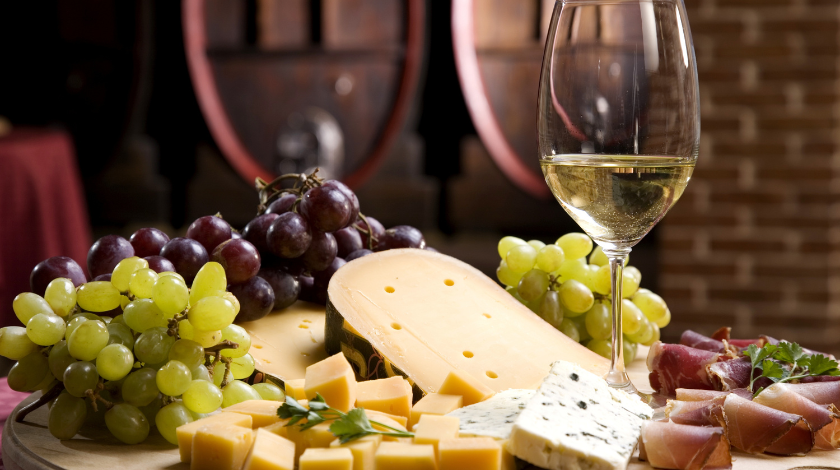
Blue Cheese & Tawny Port: This is a classic for a reason. The salty, pungent creaminess of a Stilton or Gorgonzola is tamed and elevated by the nutty, caramel sweetness of an aged Tawny Port. It’s a harmony that must be experienced.
-
Paté or Foie Gras & Sauternes: The rich, unctuous liver meets the honeyed, acidic wine in a luxurious dance. The sweetness cuts the fat perfectly.
-
Dark Chocolate & a Red Port: A good Ruby Port or a Banyuls (a French fortified red) with a piece of 70% dark chocolate is divine. The wine’s berry flavors complement the cocoa bitterness.
-
Salty Nuts or Potato Chips with Moscato d’Asti: The saltiness makes the sweet, peachy wine even more vibrant and refreshing. Try it at your next gathering—people will be delightfully confused.
-
Apple Pie or Peach Cobbler with Late Harvest Riesling: The fruit flavors echo each other, and the wine’s acidity cleanses the palate from the buttery crust.
How to Serve and Savor Your Sweet Wine
You don’t need special ceremony, but a few tips will maximize your enjoyment:
-
Temperature Matters: Serve them cooler than you think. White dessert wines (Sauternes, Ice Wine, Riesling) should be chilled, about 45-50°F (7-10°C). Fortified wines like Port and Sherry are best at a cool cellar temperature, around 55-65°F (13-18°C)—not warm.
-
Glassware: Use a smaller glass than your big red wine balloon. A standard white wine glass or even a small tulip-shaped glass is perfect. It concentrates the aromas and reminds you to sip slowly.
-
Portion Size: These are sipping wines. A standard serving is 2-3 ounces (60-90ml)—often in a smaller, dedicated dessert wine glass. You’re not meant to drink a full goblet.
-
Storage: Once opened, most dessert and fortified wines last much longer than dry wines because of their high sugar and/or alcohol content. Reciork them tightly and store in the fridge. A good Port or Sauternes can be enjoyable for weeks. Light Moscato is best finished in a day or two.
Myths to Leave Behind
Let’s clear up some common misconceptions I used to believe:
-
Myth 1: “Dessert wines are only for dessert.” As we saw, they’re fantastic with cheese, salty foods, and even on their own as a contemplative end to a meal.
-
Myth 2: “They’re all sickly sweet.” Balance is key. Great dessert wines have enough acidity to balance the sugar, making them taste rich and lush, not cloying.
-
Myth 3: “They’re only for fancy occasions.” A $20 bottle of Late Harvest Riesling on a Tuesday with some apple slices and sharp cheddar is a perfectly legitimate, joyful occasion.
Conclusion
The world of dessert wine is a vast and rewarding landscape, waiting to be explored one sweet, sip-sized adventure at a time. It’s a realm where nature and winemaking craft collide in extraordinary ways—from frozen vines to benevolent fungus. Don’t let the small bottles or occasional lofty price tags scare you off; they represent immense care and often very low yields. Start with something approachable like a Late Harvest Riesling or a Ruby Port, pair it with something simple and contrasting (think salt or fat), and just pay attention. The goal isn’t to be an expert overnight. The goal is to find a new flavor, a new combination, that brings a moment of pure pleasure. That’s what it’s all about. So next time you see that section on the wine list or shelf, I hope you’ll feel a spark of curiosity, not hesitation. Your perfect sweet sip is out there waiting.
Frequently Asked Questions (FAQ)
Q: I don’t like very sweet things. Is there a dessert wine for me?
A: Absolutely! Look for wines with high acidity to balance the sugar. German Kabinett or Spätlese Riesling are technically sweet but taste remarkably light and crisp. A Moscato d’Asti is also low in alcohol and has a freshness that avoids being syrupy. Try a “demi-sec” Champagne, which is off-dry rather than fully sweet.
Q: Why are dessert wines often sold in 375ml or 500ml bottles?
A: Because they are so rich and concentrated, you typically drink less in one sitting. The smaller bottle size ensures you can enjoy it at its peak without it going to waste, and it also reflects the smaller yields from production (especially for Ice Wine).
Q: Can I cook with dessert wine?
A: Yes, but use one you’d also drink. A splash of Sauternes or Late Harvest wine can be wonderful in a cream sauce for scallops. Port is fantastic in a reduction sauce for steak or in a stew. Never use “cooking wine” from the supermarket.
Q: How long can I keep an unopened bottle of dessert wine?
A: It varies. Most are made to drink young and fresh (like Moscato). However, high-quality fortified wines (Vintage Port, aged Tawny) and botrytised wines (Sauternes, Tokaji) can age for decades, developing incredible complexity. Store them like any fine wine: in a cool, dark, vibration-free place.
Q: What’s the biggest mistake people make when trying dessert wine for the first time?
A: Serving it too warm and drinking too much of it. The warmth amplifies the sweetness and alcohol, making it seem heavy. And because it’s so rich, a small 2-ounce pour is the perfect amount to savor and appreciate. Start small, serve it cool, and you’ll have a much better experience.