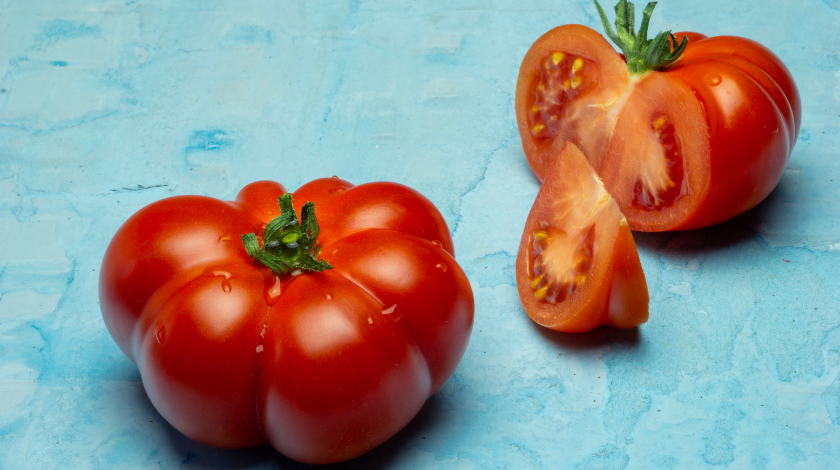
If you have ever bitten into a tomato from a grocery store and felt disappointment because it tasted like wet cardboard, then you are ready for the Brandywine experience. In the world of gardening, there are tomatoes, and then there are Brandywines. I remember the very first time I successfully grew one in my backyard garden. It was not the prettiest vegetable I had ever seen because it had lumps and bumps and a strange pink color, but the flavor changed my life. It was rich, sweet, and slightly acidic all at once. It tasted like summer.
The Brandywine is often called the king of the heirlooms for a very good reason. It sets the standard against which all other tomatoes are judged. However, I will be honest with you right from the start. This is not the easiest plant to grow. It can be a little bit moody, it takes a long time to ripen, and sometimes it looks a bit wild. But if you are willing to put in a little bit of extra work, the reward is the best tomato you will ever eat. In this guide, I want to walk you through everything I have learned about growing these giants so you can enjoy that incredible flavor right from your own garden.
What Exactly is a Brandywine Tomato?
To understand why this tomato is so special, we have to look at where it comes from. The history is a little bit debated, but most experts agree that it has Amish roots and became popular in the late 1800s. It is named after the Brandywine Creek in Chester County, Pennsylvania. Unlike modern hybrid tomatoes that are bred to have tough skins for shipping across the country, the Brandywine is an heirloom. This means the seeds have been passed down for generations because of their flavor, not because they are easy to ship.
One of the most distinct features of this plant is its leaves. Most tomato plants have what we call regular leaves, which are jagged and cut deeply. The Brandywine has “potato leaves.” If you look at them closely, they look smooth and oval, very much like the leaves on a potato plant. This is a great way to tell if you have the real deal even before the fruit appears. The fruit itself is what we call a beefsteak type. They are massive. I have had single tomatoes weigh over a pound. They are usually pinkish-red rather than a bright fire-engine red, and they often have green shoulders near the stem even when they are fully ripe.
Choosing Your Variety
When you go to buy seeds or starter plants, you might get confused because there is more than one type of Brandywine. The most famous one is usually just labeled “Pink Brandywine.” This is often the Sudduth’s Strain, which is considered the original and best-tasting version. If you are a beginner and you only have space for one plant, I highly recommend you start with the Pink Brandywine. It has that classic, old-fashioned tomato taste that balances sugar and acid perfectly.
However, over the years, other colors have appeared. There is the Red Brandywine, which actually has regular leaves and tastes a bit more acidic. There is the Yellow Brandywine, which is incredibly rich and creamy in texture. I have found the yellow ones to be slightly less acidic, so they taste sweeter. There is even a Black Brandywine now, which has a darker, smokier flavor profile. While they are all good, the Pink potato-leaf variety is the legend that made the name famous.
Starting Your Seeds Indoors
Since Brandywines are big plants that take a long time to produce fruit, you cannot just throw seeds in the ground in May and hope for the best. You need to give them a head start. I usually start my seeds indoors about six to eight weeks before the last frost date in my area. You will need a seed starting mix, which is a light and fluffy soil, and some small pots or trays.
Plant the seeds about a quarter of an inch deep. The most important thing at this stage is warmth. Tomato seeds love heat. I use a heat mat under my trays to keep the soil warm, which helps them sprout faster. Once they pop up, they need a lot of light. If you put them in a window that is not sunny enough, they will get tall and skinny and weak. We call this becoming “leggy.” To prevent this, I use a simple shop light or a grow light positioned just a few inches above the tops of the plants.
Planting and Soil Requirements
When the weather finally warms up and all danger of frost is gone, it is time to move your babies outside. But wait, you need to “harden them off” first. This just means you put them outside for a few hours a day, gradually increasing the time over a week. If you take an indoor plant and put it in direct sun immediately, it will get sunburned and die. I learned this the hard way years ago, and losing your seedlings is heartbreaking.
When you are ready to plant, pick the sunniest spot in your garden. Brandywines need at least eight hours of direct sunlight every single day. The more sun they get, the better the fruit will taste. The soil should be rich and well-draining. I always mix in a few shovel-fulls of compost or aged manure to give them plenty of nutrients.
Here is a secret tip that works wonders for tomatoes: plant them deep. I nip off the bottom set of leaves and bury the stem deep into the ground, so only the top leaves are showing. The reason for doing this is that the fuzzy hairs on the tomato stem have the ability to turn into roots. By burying the stem, you create a massive root system. A bigger root system means the plant can drink more water and find more nutrients, which results in a stronger plant and more fruit.
Support and Pruning
I need to emphasize that Brandywine plants are indeterminate. This means they do not stop growing until the frost kills them. They are vines that can easily reach six, eight, or even ten feet tall. Those little round metal cages you see at the hardware store are useless for Brandywines. The plant will crush them. You need serious support. I use heavy-duty wooden stakes or tall metal cattle panels to trellis my tomatoes. You have to tie the main stem to the support every week or so as it grows.
Pruning is also essential. Since the plant wants to grow into a giant jungle, you have to tell it to focus on making fruit instead of leaves. You will see little shoots growing in the “armpit” between the main stem and a leaf branch. These are called suckers. If you leave them, they will turn into whole new main stems. I pinch these off with my fingers when they are small. I usually try to keep my plant to one or two main stems. This ensures that good airflow moves through the leaves, which helps prevent diseases, and it forces the plant to put its energy into growing big tomatoes.
Watering and Feeding
Watering is the area where many people struggle with Brandywines. These tomatoes have thin skins, which makes them delicious but also fragile. If you water unevenly, the skins will crack. For example, if you let the soil get bone dry and then flood it with water, the inside of the fruit grows faster than the skin, and it splits open. The key is consistency. I try to keep the soil moist like a squeezed-out sponge. Mulching is a life saver here. I put a thick layer of straw or shredded leaves around the base of the plants. This keeps the moisture in the soil from evaporating and keeps the roots cool.
As for food, these giants are hungry. However, you have to be careful with nitrogen. If you give them a fertilizer that is too high in nitrogen (the first number on the fertilizer bag), you will get a beautiful, huge green bush with zero tomatoes. You want a fertilizer that is higher in phosphorus and potassium. I usually use a slow-release organic granular fertilizer at planting time, and then I give them a liquid feed like fish emulsion every few weeks once the flowers start to appear.
Common Pests and Diseases
Because Brandywines are an old variety, they do not have the disease resistance that modern hybrids possess. They can be a bit delicate. The most common issues are fungal diseases like Early Blight. This shows up as yellow and brown spots on the lower leaves. The best way to prevent this is to never water the leaves. Always water at the base of the plant. If the leaves get wet, fungus grows. If I see spotted leaves at the bottom, I cut them off immediately and throw them in the trash, not the compost pile.
You also have to watch out for the tomato hornworm. This is a giant green caterpillar that looks like something from a science fiction movie. It can eat half your plant in one night. They are hard to see because they blend in perfectly with the stems. The best way to deal with them is to go out in the morning and look for missing leaves or black droppings. If you find one, pick it off by hand. It is gross, I know, but it is the most effective method.
Harvesting and Culinary Uses
The waiting game is the hardest part of growing Brandywines. They take a long time, usually about 80 to 90 days from transplanting. But one day, you will see that pink color starting to spread. Do not wait for the fruit to turn completely uniform in color. As I mentioned before, Brandywines often keep green shoulders at the top. If you wait for the shoulders to turn pink, the bottom will be overripe and mushy.
I harvest mine when the fruit is mostly pink and feels slightly soft to the touch, like a ripe peach. Once you pick it, bring it inside and let it sit on the counter for a day or two to finish up. Never, ever put a Brandywine in the refrigerator. The cold temperature kills the flavor compounds and turns the texture mealy. Keep them at room temperature.
Now for the best part: eating them. A Brandywine is not a tomato for cooking down into sauce; it is too watery and too precious for that. This is a slicing tomato. My absolute favorite way to eat them is the simplest. I take two pieces of white bread, slather them with mayonnaise, add a thick slice of Brandywine, a sprinkle of salt, and some cracked black pepper. That is it. The flavor is so complex—sweet, tangy, and savory—that you do not need cheese or meat or lettuce. It is a gourmet meal all by itself. They are also wonderful in a Caprese salad with fresh mozzarella and basil.
Conclusion
Growing Brandywine tomatoes is definitely a labor of love. They take up a lot of space, they need strong supports, they might get a few spots on their leaves, and they won’t give you fifty fruits per plant like a cherry tomato will. But I can promise you that the moment you slice into that first lumpy, pink fruit and taste it, you will forget all about the hard work. You are tasting history, and you are tasting nature at its absolute best. It is a gardening achievement that you will want to repeat year after year. So, grab some seeds, get your hands dirty, and get ready for the best sandwich of your life.
Frequently Asked Questions (FAQ)
1. Why are my Brandywine tomatoes not producing any fruit?
This is usually caused by two things: temperature or nitrogen. If the weather is too hot (over 90 degrees Fahrenheit) or too cold (below 55 degrees at night), the blossoms might fall off before fruit forms. Also, if you used a fertilizer with too much nitrogen, the plant will grow leaves but drop its flowers.
2. Can I grow Brandywine tomatoes in a container?
Yes, but it is challenging. Because the plant gets so big, you need a very large pot. I recommend a container that holds at least 20 gallons of soil. You will still need to stake it well and water it much more frequently, perhaps even twice a day in the summer heat.
3. Why do my tomatoes have big cracks on the top?
This is caused by inconsistent watering. If the plant gets dry and then gets a lot of water (heavy rain or hose), the inside grows too fast for the skin. Mulching heavily around the base helps regulate moisture and prevents this.
4. Are potato leaf tomatoes different from regular tomatoes?
Genetically, yes, but the care is the same. The “potato leaf” is a recessive trait found in some heirloom varieties like the Brandywine. It usually indicates a variety with excellent flavor, but you treat the plant exactly the same as a regular leaf tomato.
5. Should I prune the suckers on my Brandywine plant?
I highly recommend it. Since Brandywine is an indeterminate variety, it will keep growing forever. Pruning the suckers (the shoots between the stem and branch) improves airflow, reduces disease risk, and helps the plant focus energy on making bigger fruit rather than more leaves.
6. How do I save seeds from my Brandywine tomatoes?
Since it is an heirloom, you can save the seeds and they will grow true next year. Squeeze the seeds and jelly into a jar, let it ferment for a few days until a mold layer forms (this kills diseases), then rinse the seeds clean and let them dry on a paper plate for a week. Store them in a cool, dry place.