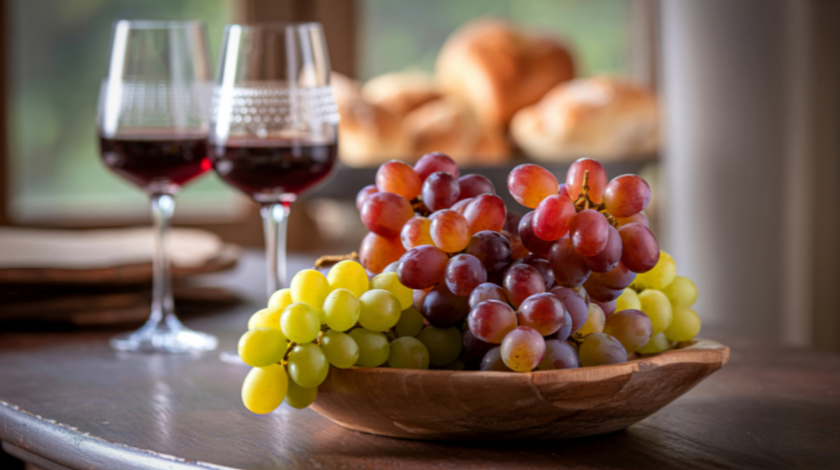
If you have ever sat down with a glass of wine that looked almost like black ink and smelled like a mixture of crushed blackberries, cracked black pepper, and maybe even a hint of smoked meat, you have likely met Syrah. For many people starting their wine journey, Syrah is the “aha” moment grape. It was for me. I remember sitting in a small bistro years ago, expecting a fruit juice like experience, but instead, I was met with something rugged, complex, and incredibly deep. It felt like the wine had a story to tell about the earth and the wind. Syrah is not just another red wine. It is a grape that demands your attention and rewards your curiosity with flavors you simply cannot find in a Cabernet or a Merlot.
The Origins and Secret History of Syrah
There is a lot of romantic legend surrounding where Syrah came from. For a long time, people loved to tell the story that it originated in the city of Shiraz in ancient Persia (modern day Iran) and was brought to France by a crusader. It makes for a great dinner party story, but science eventually rained on that parade. In the late 1990s, DNA testing proved that Syrah is actually 100 percent French. It is the offspring of two obscure grapes from southeastern France called Mondeuse Blanche and Dureza. Neither of those parents is very famous on their own, but when they crossed, they created a powerhouse.
The spiritual home of this grape is the Northern Rhone Valley in France. This is where the grape truly shows its “noble” side. In places like Hermitage and Côte-Rôtie, the vines grow on incredibly steep, sun drenched slopes that are so vertical they have to be worked by hand. You cannot get a tractor up there. This difficult terrain is part of why the wine feels so precious. When you drink a bottle from these regions, you are tasting the result of back breaking labor and a climate that pushes the grape to its absolute limit. It is this history of struggle that gives the wine its structural backbone and its famous ability to age for decades.
Syrah vs. Shiraz: The Great Name Debate
One of the most confusing things for beginners is the difference between Syrah and Shiraz. To put it simply, they are the exact same grape. However, the name usually tells you what kind of style you should expect inside the bottle. If the label says “Syrah,” the winemaker is usually trying to tell you that the wine is made in the European or “Old World” style. These wines tend to be more acidic, more elegant, and have more of those earthy, peppery, and savory notes. They are often a bit leaner and focused on structure rather than just big fruit.
On the other hand, if the label says “Shiraz,” you are likely looking at a wine from Australia or another “New World” region. These wines are often much bigger, bolder, and more fruit forward. Think of ripe plums, blueberry jam, and a higher alcohol content that feels warm in your chest. The Australian Shiraz movement, particularly in the Barossa Valley, changed the way the world looked at this grape. They proved that it could be incredibly decadent and approachable. Nowadays, winemakers in places like California or Chile might use the name “Shiraz” even if they aren’t in Australia, just to let the buyer know that the wine is going to be a big, fruity powerhouse.
The Unique Flavor Experience
When you stick your nose into a glass of Syrah, the first thing you usually notice is the dark fruit. We are talking about the deep stuff like blackberries, blueberries, and black cherries. But what makes Syrah truly special is what happens after the fruit. It has a very specific chemical compound called rotundone. This is the same compound found in actual black peppercorns. This is why Syrah is famous for that “peppery” kick. It is not an imagined flavor; it is literally in the DNA of the grape.
Beyond the pepper, Syrah is known for its savory side. I have often described it as “charcuterie in a glass.” You might get notes of smoked bacon, black olives, leather, or even dried herbs. Some people find these savory notes a bit strange at first, but once you start pairing the wine with food, they make perfect sense. The tannins in Syrah are also quite interesting. They are usually smoother and “plusher” than the aggressive tannins you find in Cabernet Sauvignon. This gives the wine a heavy, velvety weight on the tongue that feels very luxurious. It is a full bodied wine that coats your mouth, leaving a long, lingering trail of smoke and spice.
How Climate Changes Everything
Syrah is a bit of a chameleon. It changes its personality based on where it grows more than almost any other red grape. In a cool climate, like the northern parts of the Rhone or parts of Washington State, the grape struggles to ripen. This struggle produces a wine that is high in acidity and loaded with floral notes like violets and lavender. The pepper notes are very sharp and clear in these cooler areas. These are the wines that make you stop and think because they are so complex and nuanced.
In contrast, when Syrah grows in a hot climate, like the Barossa Valley in Australia or the Central Valley in California, it becomes a different beast. The heat melts away the acidity and turns the fruit flavors into something much darker and sweeter. You lose the floral notes, but you gain massive amounts of chocolate, licorice, and sweet tobacco flavors. The tannins become softer and more integrated into the fruit. If you like a wine that feels like a warm hug or a rich dessert, a warm climate Shiraz is exactly what you are looking for. I personally enjoy both, but I find that I reach for the cool climate Syrah when I’m having a complex meal and the warm climate Shiraz when I’m sitting by a fire.
Global Regions to Watch
While France and Australia are the kings of Syrah, other parts of the world are making incredible strides. In the United States, Washington State is currently producing some of the most exciting Syrah on the planet. The Walla Walla Valley has a unique soil that gives the wine a distinct “funk” and mineral character that rivals the best of France. California also has the “Rhone Rangers,” a group of winemakers who dedicated themselves to these French varieties rather than just sticking to the usual Cabernet and Chardonnay.
South Africa is another region that deserves your attention. They often find a beautiful middle ground between the fruity Australian style and the earthy French style. Their Syrahs often have a lovely smoky, stony quality to them. Chile is also getting into the game, especially in their cooler coastal valleys where the ocean breezes keep the grapes from getting too hot. This diversity is what makes Syrah so fun to collect. You can buy five bottles of Syrah from five different countries and they will all taste like completely different wines.
Mastering Food Pairings
Syrah is a food wine through and through. Because it has those savory, “meaty” notes, it is the perfect partner for anything that comes off a grill. The classic pairing is lamb. Whether it is a roasted leg of lamb with rosemary or grilled lamb chops, the natural gamey flavor of the meat matches the earthy notes of the wine perfectly. The fat in the lamb also helps to soften the tannins in the wine, making everything taste smoother.
If you are not a meat eater, do not worry. Syrah loves mushrooms. A rich mushroom risotto or a hearty lentil stew with plenty of herbs will bring out the forest floor and savory side of the wine. One of my favorite “secret” pairings is Syrah with anything containing black olives or “herbes de Provence.” The wine has those same herbal notes, so they bridge the gap between the plate and the glass beautifully. Just be careful with spicy heat. Syrah usually has a higher alcohol content, and high alcohol plus spicy chili peppers can create a burning sensation in your mouth that isn’t very pleasant. Stick to savory spices like cumin, black pepper, and smoked paprika instead.
The Art of Serving Syrah
To get the most out of your bottle, you need to treat it right. First, let’s talk about temperature. Many people serve red wine too warm, often at “room temperature,” which in modern homes is usually around 70 or 72 degrees. At that temperature, the alcohol in a Syrah will smell very strong and mask the delicate floral and pepper notes. Try to serve it slightly cool, around 60 to 65 degrees. You can achieve this by putting the bottle in the fridge for about 20 minutes before you open it.
Decanting is also highly recommended, especially for younger Syrahs. These wines are very dense and “closed up” when you first pull the cork. Giving the wine an hour in a decanter lets it breathe and allows those complex aromas to come to the surface. If you are drinking an older bottle from the Northern Rhone, you might see some sediment at the bottom. Decanting helps you separate that grit from the wine so your last glass is as smooth as your first. As for glassware, look for a “Syrah glass” or a large red wine glass with a slightly tapered rim. This shape helps concentrate those amazing aromas right toward your nose.
Why You Should Give Syrah a Spot in Your Cellar
If you are someone who likes to age wine, Syrah is one of the best investments you can make. While a cheap bottle is meant to be drunk right away, high quality Syrah can age for 10, 20, or even 30 years. Over time, the aggressive fruit fades away and the wine develops incredible “tertiary” flavors. You might start tasting things like truffle, old leather, wet earth, and dried plums. It becomes a meditative experience.
I always tell people that Syrah is the wine for people who want soul. It is not always polished or “pretty” like a Pinot Noir. It can be a bit rugged and wild. It has a bit of grit to it. But that is exactly why it is so beloved by wine professionals. It feels honest. Whether you are drinking a $15 bottle from a local shop or a $200 bottle from a famous French hill, Syrah always brings a sense of place and a bold personality to the table.
Conclusion
Syrah is truly one of the world’s great grapes, offering a range of styles that can suit almost any palate. From the peppery, elegant slopes of France to the jammy, sun drenched valleys of Australia, it remains a versatile and deeply satisfying choice for any wine lover. Its ability to reflect the environment where it is grown makes every bottle a new discovery. If you haven’t explored the world of Syrah lately, I encourage you to go out and find a bottle from a region you’ve never tried. You might just find your new favorite wine.
Frequently Asked Questions
Is Syrah the same as Petite Sirah?
No, they are actually different grapes. While they have similar names, Petite Sirah (also known as Durif) is a different variety that usually produces even darker, more tannic, and more rustic wines than standard Syrah.
Is Syrah a heavy wine?
Yes, Syrah is generally considered a full bodied red wine. It has a significant amount of weight on the palate, high tannins, and usually a higher alcohol content compared to lighter reds like Pinot Noir or Chianti.
Should I decant Syrah?
Most Syrahs benefit from at least 30 to 60 minutes of decanting. This helps soften the tannins and opens up the aromatic profile, especially for younger, bolder wines.
How long can I store an open bottle of Syrah?
Because of its high tannin and pigment content, Syrah holds up better than many other reds. If you cork it and put it in the fridge, it should stay fresh and tasty for about 3 to 4 days.
What is the best cheese to pair with Syrah?
Syrah pairs wonderfully with aged, hard cheeses like Manchego or Gouda. It also stands up well to pungent blue cheeses, which can match the wine’s intense savory and peppery notes.