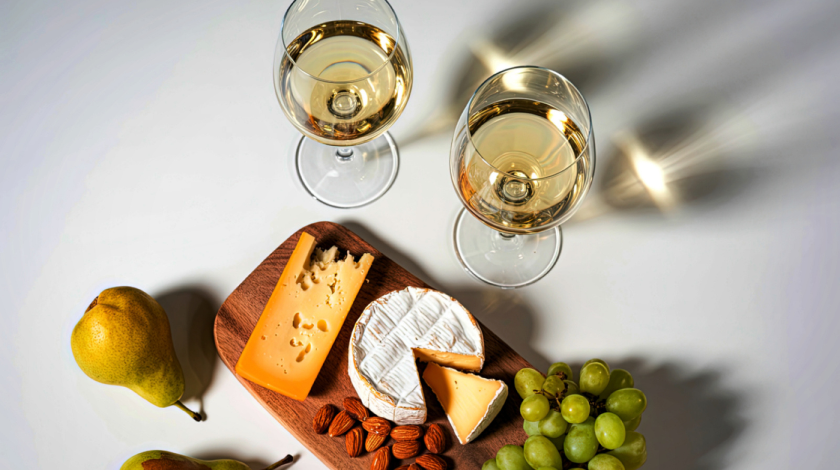
If you have ever spent a warm afternoon sitting at a seaside café on the Italian Riviera, chances are you have seen a bottle of chilled, pale-straw colored wine sitting on a nearby table. That wine is almost certainly Gavi. For a long time, the world of Italian wine was dominated by the heavy, tannic reds of the north like Barolo or the rustic beauties of Tuscany. However, tucked away in the southeastern corner of the Piedmont region is a white wine that has earned its place among the greats. Gavi wine is not just another dry white: it is a sophisticated, mineral-driven, and incredibly refreshing experience that represents the best of Italian craftsmanship. I still remember the first time I had a glass of Gavi di Gavi while eating fresh grilled sea bass near the coast. The way the acidity cut through the richness of the fish was a revelation. It was the moment I realized that Italian whites could be just as complex and “serious” as their red cousins.
To truly understand what makes Gavi so special, we have to talk about the grape. Unlike many other famous wine regions that use international varieties like Chardonnay or Sauvignon Blanc, Gavi is made exclusively from the Cortese grape. Cortese is a native variety that has been grown in the province of Alessandria for hundreds of years. It is a bit of a finicky grape, meaning it needs just the right conditions to shine. If it gets too hot, it loses its acidity and becomes flat. If it is too cold, it stays overly tart. But in the hilly area surrounding the town of Gavi, the balance is perfect. The climate here is influenced by both the cold air from the Apennine Mountains and the salty breezes coming off the Ligurian Sea. This unique combination allows the Cortese grape to ripen slowly while keeping that zesty, mouth-watering acidity that we all love.
You might notice that some bottles simply say “Gavi” while others proudly state “Gavi di Gavi.” This is one of the most common points of confusion for people just starting their wine journey. Basically, the entire production area is called Gavi. However, if the grapes are grown specifically within the boundaries of the town of Gavi itself, the winemakers are allowed to call it Gavi di Gavi. Think of it like a “village” designation in French wine. While a general Gavi DOCG can be excellent, the “Gavi di Gavi” label often signifies a slightly more prestigious terroir. In my personal experience, the wines from the central town area tend to have a bit more of that “wet stone” minerality and a slightly more concentrated floral aroma. When you see “DOCG” on the neck of the bottle, it stands for Denominazione di Origine Controllata e Garantita. This is the highest tier of Italian wine classification, meaning the wine has met very strict quality standards and passed a government taste test.
When you pour a glass of Gavi, the first thing you will notice is the color. It is usually a very pale, shimmering yellow with hints of green. The aroma is not “loud” like a New Zealand Sauvignon Blanc: it is subtle and elegant. You will smell things like white flowers, honeysuckle, lemon zest, and perhaps a bit of green apple. But the real magic happens when you take a sip. Gavi is famous for its high acidity and its “bone-dry” finish. There is almost no sugar left in this wine after fermentation, making it incredibly crisp. One of my favorite things about Gavi is what people call “minerality.” It feels almost like you are tasting the clean, flinty rocks of the vineyard. It gives the wine a structure and a “cleanness” that makes your palate feel refreshed after every sip. It is the opposite of a heavy, buttery Chardonnay: it is light, energetic, and bright.
Now, let’s talk about food because Gavi is arguably one of the most food-friendly wines on the planet. Because the Gavi region is so close to Liguria (the home of Genoa and the Italian coast), the local cuisine is a perfect match. The classic pairing is seafood. Whether it is a simple plate of fried calamari, a bowl of mussels in white wine sauce, or a delicate piece of sea bream, Gavi makes the food taste better. The acidity in the wine acts like a squeeze of fresh lemon over the fish. Another incredible pairing is Pesto Genovese. The herbal notes of the basil and the creaminess of the pine nuts and olive oil are perfectly balanced by the wine’s citrusy profile. I once served a bottle of Gavi Riserva with a simple pasta tossed in garlic and high-quality olive oil, and my guests couldn’t believe how well the wine elevated such a basic dish. It also works beautifully with soft cheeses like goat cheese or a young Pecorino.
If you are looking to buy a bottle, it helps to know a few of the top names. La Scolca is perhaps the most famous producer in the region. They were one of the first to really push Gavi into the international spotlight in the 1960s and 70s. Their “Black Label” Gavi is considered a benchmark for the region. Other fantastic producers include Broglia, who own some of the oldest vineyards in the area, and Pio Cesare, a legendary Piedmont producer known mostly for their reds but who make a stunning, crisp Gavi. You can usually find a decent bottle of Gavi for around twenty dollars, but if you want to experience the “Riserva” style, which is aged longer and often has a bit more body and richness, you might spend forty or fifty dollars. In my opinion, even the entry-level bottles from good producers offer incredible value because the quality control in the DOCG is so high.
There is also a small amount of Gavi that is made into sparkling wine, known as Spumante or Frizzante. While these are harder to find outside of Italy, they are absolutely worth trying if you get the chance. They are made using the “Metodo Classico” (the same way Champagne is made), and they offer a unique twist on the Cortese grape. The bubbles add a layer of creaminess that contrasts beautifully with the naturally high acidity of the grape. If you ever see a bottle of Gavi Spumante at a wine shop, grab it. It is a fantastic alternative to Prosecco for someone who wants something a bit drier and more sophisticated for a celebration.
Serving Gavi correctly is quite simple, but it makes a big difference. You want to serve it cold, ideally between 8 and 10 degrees Celsius (about 46 to 50 degrees Fahrenheit). If it is too warm, the acidity can feel a bit sharp and you lose those delicate floral aromas. I usually put my bottle in the fridge for a few hours and then keep it in an ice bucket on the table. As for glassware, a standard white wine glass with a slightly narrowed rim is perfect. This helps concentrate those lovely citrus and floral scents toward your nose. Most Gavi is meant to be drunk young, within two or three years of the vintage, to enjoy its freshness. However, some of the high-end Riservas can actually age for five to ten years, developing notes of honey and roasted nuts as they mature.
In the end, Gavi wine is a testament to the idea that you don’t need oak or high alcohol to make a world-class wine. It is a wine that speaks of its place: the wind, the white clay soils, and the history of Piedmont. It doesn’t try to be anything it’s not. It is simply a clean, honest, and elegant expression of the Cortese grape. Whether you are a seasoned wine expert or someone who just wants a nice bottle to share with friends over a summer salad, Gavi is a choice that never disappoints. It has a way of making any meal feel a little bit more like a vacation in Italy, and honestly, that is exactly what a great wine should do. So, the next time you find yourself browsing the Italian section of your local wine shop, look past the usual suspects and find a bottle with “Gavi” on the label. Your taste buds will thank you.
Conclusion
Gavi wine stands as a shining example of Italian white wine excellence. By focusing on the native Cortese grape and respecting the unique terroir of the Piedmont region, winemakers have created a beverage that is both refreshing and complex. From its crisp acidity and signature mineral finish to its incredible versatility with food, Gavi is a wine that deserves a spot in every cellar or refrigerator. Whether you are opting for a standard DOCG or a prestigious Gavi di Gavi, you are tasting a piece of Italian history that has been perfected over centuries. It is elegant, timeless, and perfectly suited for the modern palate that values purity and freshness over heavy oak and high alcohol.
FAQ
1. Is Gavi wine dry or sweet?
Gavi is a bone-dry white wine. It is known for its high acidity and lack of residual sugar, making it very crisp and refreshing.
2. What is the difference between Gavi and Gavi di Gavi?
All Gavi di Gavi is Gavi, but not all Gavi is Gavi di Gavi. The term “Gavi di Gavi” means the grapes were grown specifically within the municipal boundaries of the town of Gavi, whereas “Gavi” can refer to the broader production zone in the surrounding province.
3. What grape is Gavi wine made from?
Gavi is made 100% from the Cortese grape, a white variety native to the Piedmont region of Italy.
4. How long can I store a bottle of Gavi?
Most Gavi wines are intended to be consumed within 1 to 3 years of the vintage to enjoy their fresh, zesty character. However, high-quality “Riserva” bottles can often age gracefully for 5 to 7 years.
5. What is a good substitute for Gavi?
If you like Gavi, you might also enjoy other high-acid, mineral-driven whites like Chablis (from France), Soave Classico (from Italy), or a dry Austrian Grüner Veltliner.
6. Should Gavi be chilled?
Yes, Gavi should be served well-chilled, ideally between 8 and 10°C (46-50°F).