Uncovering the myths: What really happens at casinos
The Allure of Casino Glamour
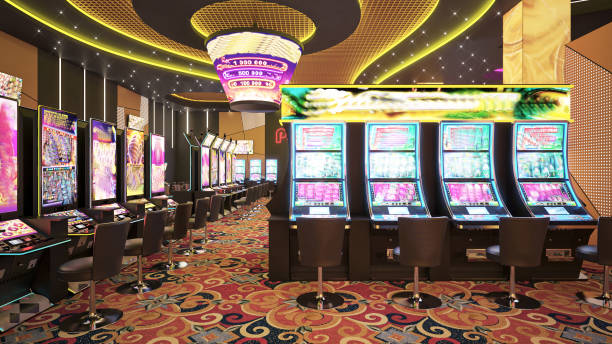
Casinos have long been depicted as glamorous places filled with bright lights, elegant décor, and exciting entertainment. This image is often magnified by movies and television shows that highlight high-stakes gambling and lavish lifestyles. The reality, however, is more nuanced. While some casinos do feature luxurious interiors and extravagant shows, they also serve as environments designed to entice and keep players engaged, often blurring the lines between entertainment and risk, especially when considering options like payid casinos australia that offer various payment methods.

Many visitors step into casinos expecting a high-energy atmosphere where fortunes can change within moments. Yet, the reality is that the odds are carefully calculated in favor of the house. This means that while some players will experience wins, most will ultimately lose over time. This discrepancy between expectation and reality contributes to the gambling myths that pervade popular culture. People often believe that luck is the predominant factor in winning, overlooking the mathematical edge that casinos possess.
Moreover, the aesthetics of a casino are intentionally designed to create a sense of euphoria, with sights and sounds that are visually appealing and stimulating. From the ringing of slot machines to the glittering chandeliers, these elements work together to foster a captivating experience. However, it’s essential for players to understand that behind this façade lies a commercial enterprise focused on profit, where the house edge is a critical aspect of gameplay.
The Truth About Winning
One of the most pervasive myths surrounding casinos is the belief that winning is simply a matter of luck or that certain machines are “hot” and more likely to pay out. In reality, every game in a casino operates on probabilities and algorithms designed to ensure that the house always has an advantage. This means that even if a player hits a jackpot, the odds of that occurring are statistically low and may not occur again for a long time.
Furthermore, the idea of “hot” or “cold” machines is a misconception; slot machines use random number generators (RNG) to determine outcomes, ensuring that each spin is independent of the previous one. This randomness makes it impossible to predict when a machine might pay out. Many players erroneously believe they can read patterns or identify machines based on past performance, leading to disappointment when their strategy fails.
Additionally, table games, like blackjack or roulette, carry their own set of myths. Players often believe they can influence the outcome through specific betting strategies or patterns. While strategies can enhance gameplay and minimize losses, they cannot change the inherent probabilities of the games. Understanding these realities is crucial for anyone looking to enjoy gambling while managing expectations around winning.
The Psychological Effects of Gambling
Casinos intentionally create an environment that plays on human psychology, enticing players to stay longer and spend more. Bright lights, rhythmic sounds, and the mingling scent of fresh drinks are all carefully orchestrated to maintain an exhilarating atmosphere. This sensory overload stimulates the brain’s reward system, encouraging players to keep playing even when they are losing money.
The phenomenon of “loss aversion” is a key psychological aspect of gambling; people often feel the pain of losing more acutely than the pleasure of winning. This can lead to a behavior known as “chasing losses,” where players continue to gamble in the hope of recouping their previous losses, often resulting in even greater financial harm. Casinos capitalize on this by offering complimentary drinks and rewards programs that keep players engaged, making it easier to overlook the consequences of their gambling behavior.
Additionally, the social dynamic of gambling can further impact decision-making. Many people enjoy the camaraderie that comes from playing with others, whether at the poker table or in a crowded slot machine area. This social interaction can create a sense of belonging and excitement that makes it difficult to step away, even when one knows they should. Understanding these psychological tactics can help players make more informed choices about their gambling habits.
The Role of Technology in Modern Gambling
With the rise of technology, the gambling landscape is undergoing significant changes. Online casinos and mobile gaming applications have transformed how people engage with betting, making it more accessible than ever. Many players may believe that online gambling is a safer option compared to physical casinos, but these digital platforms come with their own set of challenges and risks.
One myth that persists in the realm of online gambling is that it is inherently less regulated than traditional casinos. In fact, legitimate online casinos are subject to strict regulations and licensing requirements that ensure fairness and transparency. However, the proliferation of unregulated or poorly regulated sites can mislead players into believing they are participating in a safe environment. Researching and identifying reputable platforms is crucial for ensuring a secure gaming experience.
Moreover, technological advancements have introduced new forms of gambling, such as virtual reality (VR) and augmented reality (AR) experiences. These immersive technologies aim to replicate the excitement of physical casinos while providing unique interactive elements. While they promise to revolutionize the gambling experience, it is important for players to remain aware of the potential for overspending and the importance of responsible gambling practices in this digital age.
Understanding Gambling Resources and Support
As the gambling industry evolves, so too do the resources available to players who may experience issues with their gambling behavior. Awareness of these resources is crucial for promoting responsible gambling practices. Various organizations and support groups work tirelessly to help individuals struggling with gambling addiction by offering tools, counseling, and educational resources.
Many casinos have implemented responsible gambling programs that include self-exclusion options, where players can voluntarily restrict their access to gaming for a certain period. These measures aim to support individuals who recognize they need to take a break from gambling and provide a safety net for those who may be at risk of developing problematic behaviors. Understanding these options can empower players to take control of their gaming habits.
Ultimately, fostering a culture of awareness and support around gambling is essential. Through education, both players and casino operators can work together to create environments that prioritize player safety and well-being. Engaging with available resources and being proactive about gambling habits can help mitigate the negative impacts often associated with casinos, leading to a more enjoyable and responsible gaming experience.